Consulting
Service
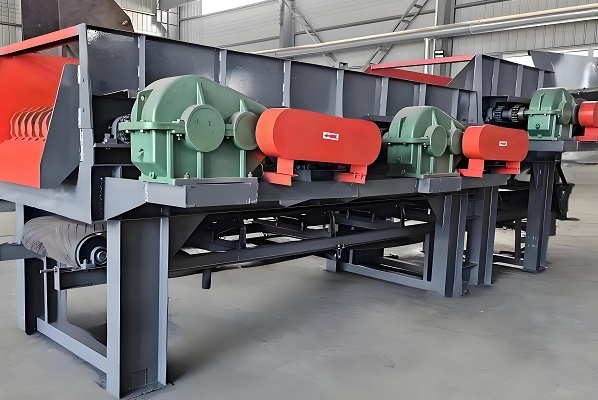
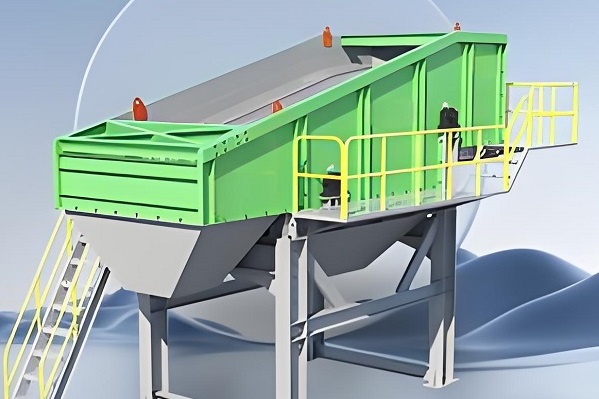
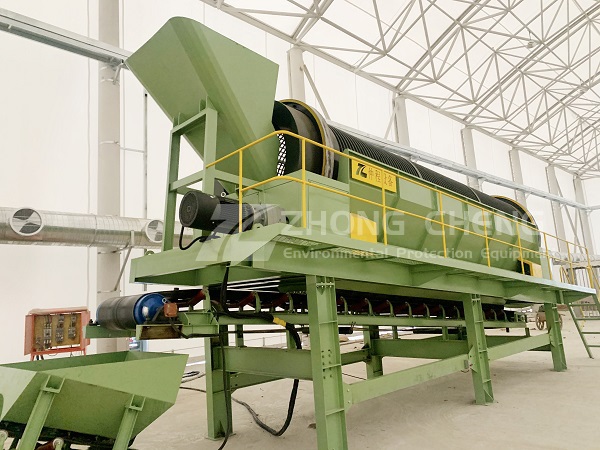
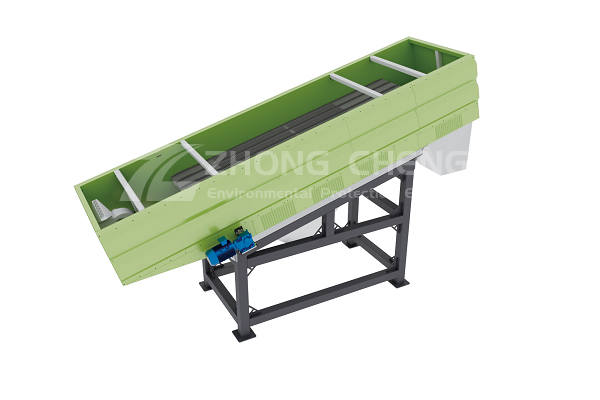
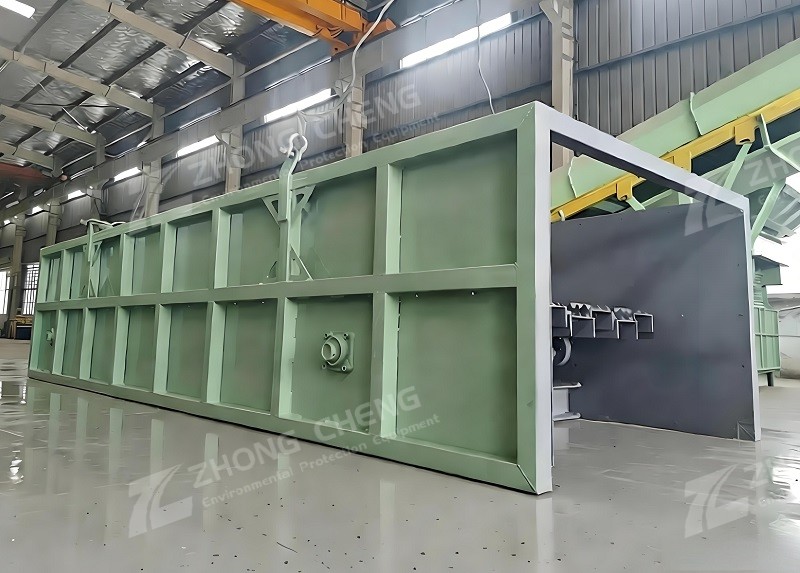
The Zhongcheng Ballistic Screen, as a highly efficient screening equipment, is widely used in various fields such as construction waste treatment, mining, and coal sorting. Its core advantage lies in achieving precise material classification through vibrating motion, characterized by high screening efficiency, low energy consumption, and stable operation. The installation and commissioning of the equipment are crucial steps to ensure its stable operation and full performance, directly affecting screening quality, production efficiency, and equipment service life. This article will detail the installation preparation, installation process, commissioning steps, and related precautions for the Zhongcheng Ballistic Screen, providing technical guidance for on-site construction and operation and maintenance.
I. Pre-installation Preparation
Thorough preparation before installation is the prerequisite for ensuring the smooth progress of the installation work. This needs to be fully implemented from four dimensions: technology, site, equipment, and personnel, to avoid installation interruptions or safety hazards due to insufficient preparation.
1. Technical Preparation
First, construction personnel must thoroughly study the Zhongcheng Ballistic Screen product manual, installation drawings, and technical specifications to understand the equipment's structural composition, installation accuracy requirements, connection methods, and safety precautions. They should focus on understanding the assembly relationship of core components such as the screen body, vibrator, motor, and spring supports, and master the equipment's installation benchmarks and dimensional tolerances. Secondly, based on the on-site production process requirements, the equipment model and technical parameters should be checked to ensure consistency with the design plan and that the equipment is compatible with the subsequent production process. If there are any technical questions, they should be promptly communicated with the equipment manufacturer to avoid installation errors due to misunderstandings.
2. Site Preparation
The site must meet the installation space requirements of the Zhongcheng Ballistic Screen, including the main equipment installation area, operation and maintenance space, and material conveying channels. First, the installation site should be cleaned to ensure a flat surface free of debris, avoiding affecting installation accuracy. For foundations requiring equipment fixation, the dimensions, strength, and flatness of the foundation should be checked in advance to ensure they meet the design requirements. The foundation surface should be free of cracks, honeycomb structures, and other defects. If there are deviations in the foundation, corrective measures should be taken in advance. Secondly, according to the installation drawings, the installation baseline, anchor bolt pre-reserved hole positions, and other key markings should be marked on the foundation to ensure accurate installation positioning. At the same time, the site should be equipped with necessary lighting and ventilation facilities to ensure a safe and comfortable working environment; power and water supply interfaces should be reserved to meet the needs of equipment installation and subsequent commissioning. 3. Equipment and Tool Preparation
Before installation, all components of the Zhongcheng Ballistic Screen should be inventoried, including the screen body, vibrator, motor, springs, anchor bolts, seals, etc. Verify that the quantity and model of all components are complete and check for any damage or deformation on the surface of the components. If any components are missing or damaged, contact the manufacturer immediately for replacement or repair. Simultaneously, prepare the necessary tools and equipment for installation, such as cranes, forklifts, wrenches, screwdrivers, spirit levels, measuring tapes, torque wrenches, welding machines, etc., ensuring that the tools are in good working order and the measuring instruments are accurate and effective. In addition, necessary auxiliary materials such as lubricating oil, sealant, and gaskets should be prepared to ensure the smooth progress of the installation process.
4. Personnel Preparation
Installation personnel must possess the corresponding professional skills and construction experience, and be familiar with the installation process and safety regulations of vibrating equipment. Key personnel, such as crane operators and welders, must hold valid professional qualification certificates. Before installation, technical briefings and safety training should be organized for construction personnel to clarify the responsibilities of each position, the installation process, and precautions. Emphasis should be placed on safety protection requirements for dangerous operations such as working at heights and lifting operations, ensuring that construction personnel can operate safely and according to regulations.
II. Installation Process
The installation of the Zhongcheng Ballistic Screen should follow the principle of "foundation fixing first, then component assembly, main body first, then accessories," completing the foundation treatment, main body installation, transmission system installation, and auxiliary component installation in sequence, ensuring that all components are securely connected and accurately positioned.
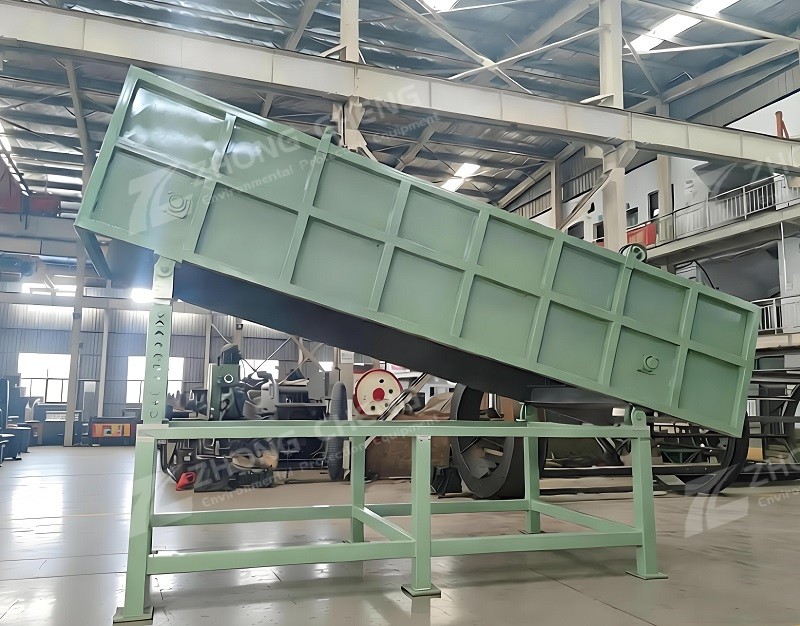
1. Foundation Treatment and Anchor Bolt Installation
First, clean the surface of the equipment foundation, removing dust, oil stains, and other debris, and level the foundation surface with cement mortar. According to the installation drawings, place the anchor bolts into the reserved holes, ensuring that the position and verticality of the anchor bolts meet the requirements, and the height of the bolt tops above the foundation surface meets the equipment installation requirements. Subsequently, use the secondary grouting method to grout the reserved holes. The grouting material should be high-strength cement mortar or fine aggregate concrete. During the grouting process, it is necessary to vibrate and compact the material to avoid air bubbles. After grouting is completed, curing is required for a period of no less than 7 days to ensure that the grout layer strength meets the design requirements before subsequent equipment installation can proceed.
2. Screen Body Installation
Use a crane to lift the screen body steadily and slowly place it on the installation position of the foundation, ensuring that the screen body's installation baseline aligns with the marked lines on the foundation. Then, use a level to check the screen body's levelness, measuring the horizontal deviation in both the longitudinal and transverse directions. The levelness error should not exceed 0.5 mm/m. If there is a deviation, it can be corrected by adjusting the height of the anchor bolts or by inserting shims under the screen body. After correction, tighten the anchor bolts. During tightening, a torque wrench must be used to tighten evenly according to the design torque value to avoid uneven stress on the bolts leading to screen body deformation.
3. Vibrator Installation
The vibrator is the core power component of the Zhongcheng Ballistic Screen, and its installation accuracy directly affects the vibration effect and operational stability of the equipment. First, check the appearance quality of the vibrator, ensuring that the vibrator is undamaged and not deformed, and that the internal bearings are well lubricated. Lift the vibrator to the installation position on the screen body, adjust the installation angle and position of the vibrator to ensure that the output shaft of the vibrator is consistent with the vibration direction of the screen body. Then, use high-strength bolts to securely connect the vibrator to the screen body. Anti-loosening washers should be added to the bolt connections to prevent the bolts from loosening during equipment operation. After installation, rotate the eccentric block of the vibrator to check for any jamming and ensure smooth rotation.
4. Motor Installation
The motor installation must ensure precise transmission coordination with the vibrator. First, lift the motor to the designated position, adjust the height and levelness of the motor so that the coaxiality of the motor shaft and the vibrator input shaft meets the requirements, with a coaxiality error not exceeding 0.2 mm. If belt drive is used, adjust the distance between the motor and the vibrator to ensure that the belt tension is appropriate. Too tight or too loose tension will affect the transmission efficiency and may even lead to equipment failure; if a coupling drive is used, ensure that the flanges at both ends of the coupling are parallel and coaxial, and that the connecting bolts are evenly tightened. After the motor is installed, tighten the motor's foundation bolts to ensure the motor is securely fixed.
5. Installation of Spring Supports and Auxiliary Components
Spring supports are important components that ensure the stable operation of the equipment and absorb the impact force generated by equipment vibration. During installation, ensure that the spring supports are installed in the correct position, securely connected to the screen body and foundation, and that the springs are free from deformation or damage and have good elastic performance. Place the springs into the supports and adjust the spring height to ensure the screen body is in the designed horizontal position. Then, install the equipment's seals, protective covers, and other auxiliary components. The seals must be properly installed to prevent dust leakage during equipment operation; the protective covers must be securely fixed to prevent personnel from contacting rotating parts and ensure operational safety. In addition, connect the equipment's lubrication oil pipelines and electrical circuits. Pipeline connections must be tightly sealed without leakage; electrical circuit connections must be standardized and reliably grounded to avoid safety hazards such as short circuits and leakage.
III. Debugging Steps
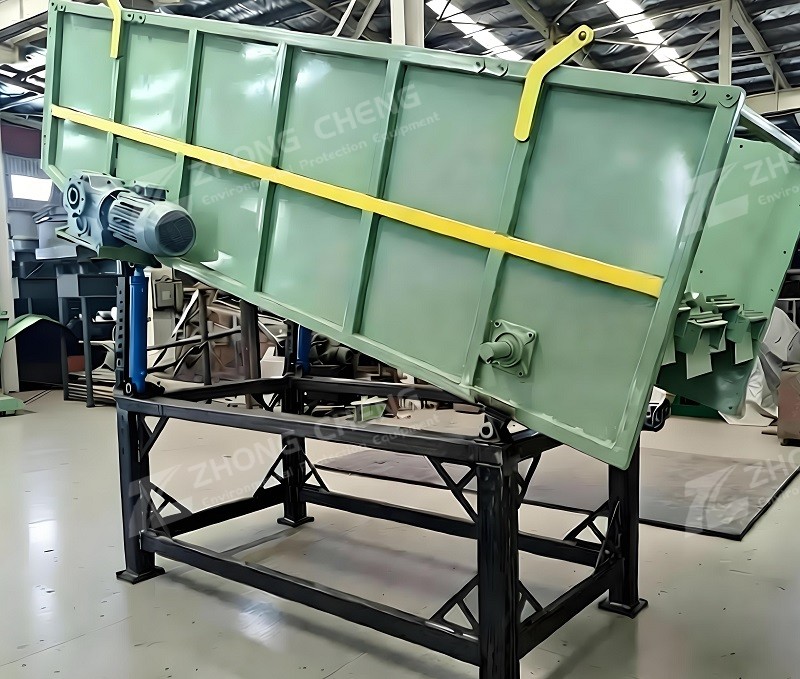
After the Zhongcheng Ballistic Screen is installed, a systematic debugging process is required. Through no-load debugging and load debugging, check whether the equipment's installation quality and operating performance meet the requirements, promptly identify and resolve any problems, and ensure that the equipment can be put into production normally.
1. No-Load Debugging
The purpose of no-load debugging is to check the operating status of each component of the equipment and eliminate problems that occurred during installation. Before debugging, re-check the connections of all components to ensure that the foundation bolts and connecting bolts are tightened, the lubrication pipelines are unobstructed, the lubrication oil level meets the requirements, and the electrical circuits are correctly connected. Then, start the equipment and run it under no-load conditions for at least 2 hours. During no-load operation, pay close attention to the following: First, the vibration state of the equipment, checking whether the screen body vibrates smoothly without obvious deviation or abnormal shaking; second, the operation of the vibrator and motor, listening for any abnormal noise during equipment operation, measuring whether the motor's current and voltage are stable, and whether the vibrator temperature is within the normal range (generally not exceeding 70℃); third, whether there is any loosening in the connecting parts, regularly checking key parts such as foundation bolts and coupling bolts, and tightening them promptly if loosening is found; fourth, the sealing effect of the seals, checking for dust leakage or lubrication oil leakage. If any abnormalities are detected, the machine must be stopped immediately to identify the cause and rectify the problem. After rectification, the no-load test should be performed again until the equipment operates normally.
2. Load Testing
After successful no-load testing, load testing is performed to verify the equipment's operating performance and screening effect under actual production conditions. First, material is gradually fed into the equipment according to the designed feed rate, avoiding overloading the equipment with a large amount of material at once. In the initial stage of load operation, the feed rate should be controlled at 50%-70% of the design rate, and then gradually increased to the design feed rate after stable operation. During load testing, the following aspects should be focused on: First, the screening effect, checking whether the grading accuracy of the screened material meets the requirements, and whether there are phenomena such as over-screening or under-screening. If the screening effect is poor, it can be optimized by adjusting the angle of the eccentric block of the vibrator or changing the vibration frequency of the screen body; second, the operational stability of the equipment, observing whether the screen body vibrates uniformly, whether the load current of the motor and vibrator is within the rated range, whether the temperature of each component of the equipment is normal, and whether there are any abnormal vibrations or noises; third, the material conveying situation, checking whether the feeding and discharging channels are unobstructed and free of material accumulation; fourth, the energy consumption of the equipment, recording the operating power of the equipment and evaluating whether the energy consumption meets the design requirements. The load testing operation time should be no less than 4 hours, during which a dedicated person should monitor the equipment throughout the process, regularly inspect the equipment, and stop the machine immediately if any problems are found.
3. Post-Commissioning Cleanup and Acceptance
After successful load testing, a comprehensive inspection and cleanup of the equipment should be performed. Clean the surface of the equipment of materials, dust, and other debris, check the wear of each component, re-tighten loose bolts, and replenish lubricating oil. Organize the relevant data from the commissioning process, including motor current, voltage, equipment vibration frequency, screening efficiency, energy consumption, etc., and compile a commissioning report. Organize relevant personnel to conduct equipment acceptance, comparing the installation drawings, technical specifications, and design requirements to comprehensively evaluate the installation quality and operating performance of the equipment. Only after acceptance is approved can the equipment be officially put into production. IV. Precautions for Installation and Commissioning
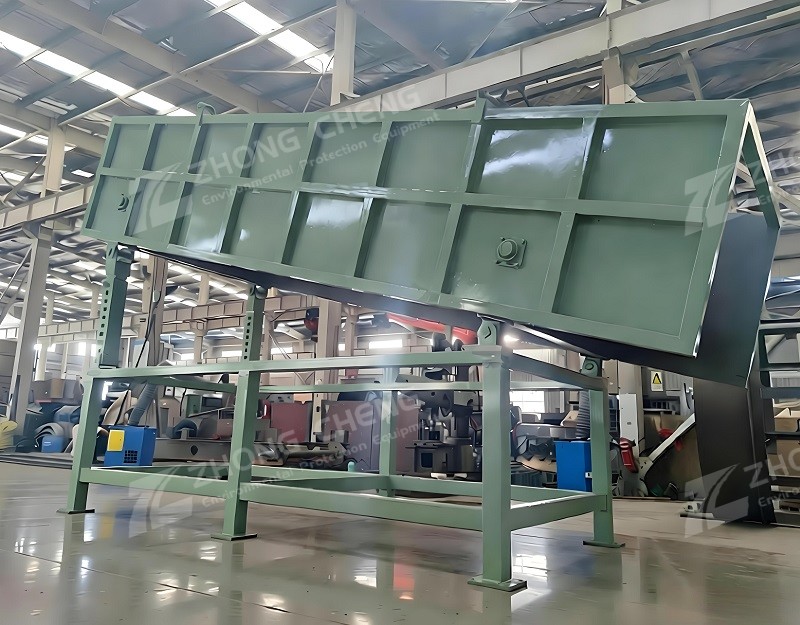
During the installation and commissioning of the Zhongcheng Ballistic Screen, it is necessary to strictly adhere to relevant safety regulations and technical requirements, paying particular attention to the following: First, during lifting operations, ensure that the crane is in good working condition, the lifting ropes are secure and reliable, and the lifting process is smooth and slow to avoid collisions with equipment or causing personal injury; personnel working at heights must wear safety belts and erect safety protection facilities to prevent falls. Second, during equipment installation, strictly control installation accuracy, especially key parameters such as the horizontal level of the screen body and the coaxiality of the vibrator and motor. If the installation accuracy is not up to standard, it will lead to excessive vibration, excessive noise, and even shorten the equipment's service life. Third, before commissioning, a comprehensive inspection of the electrical system is required to ensure reliable grounding and standardized wiring connections to avoid safety hazards such as short circuits and leakage; if any abnormal situation occurs during commissioning, immediately stop the machine, cut off the power supply, and then inspect and handle the problem. Live working is strictly prohibited. Fourth, during equipment operation, personnel are strictly prohibited from approaching rotating parts or reaching into the screen body. If inspection or maintenance is required, the machine must be stopped and the power supply cut off, and a "Do Not Energize" warning sign must be displayed. Fifth, during installation and commissioning, relevant records must be kept, including parts inventory records, installation dimension inspection records, and commissioning data records, to provide a basis for subsequent equipment maintenance.
The installation and commissioning of the Zhongcheng Ballistic Screen is a systematic process that requires thorough preparation, strict adherence to the installation procedures, and standardized commissioning work, paying attention to detail at every stage. Only by ensuring qualified installation quality and meeting commissioning parameters can the equipment fully utilize its screening performance, ensure the smooth progress of subsequent production, extend the equipment's service life, and reduce operating and maintenance costs. In practical work, it is necessary to flexibly adjust the installation and commissioning plan based on the specific equipment model, site conditions, and production needs to ensure that the equipment operates stably and efficiently.


Company: Zhengzhou ZhongCheng environmental protection equipment co., LTD

Company address: 36 xueyuan road, Zhengzhou City, Henan Province, China.

Whatsapp:+86-18738194110


Our Email

Our phone
 86-18738194110
 86-18738194110

Save Time! Get A Detailed Quotation Quickly.


 2024-11-01