Consulting
Service
With the acceleration of urbanization, the amount of urban solid waste is increasing year by year, and waste management has become a key indicator of urban governance and environmental quality. Against this backdrop, companies like those in Zhengzhou, Henan, specializing in waste sorting equipment, have leveraged technological innovation to develop various urban solid waste treatment equipment, especially waste sorting equipment. These innovations have fundamentally transformed traditional waste treatment methods, becoming a core force in promoting waste reduction, harmless treatment, and resource utilization. These devices not only significantly improve waste treatment efficiency but also play an irreplaceable role in reducing environmental pollution and promoting resource recycling, injecting strong momentum into urban environmental protection projects.
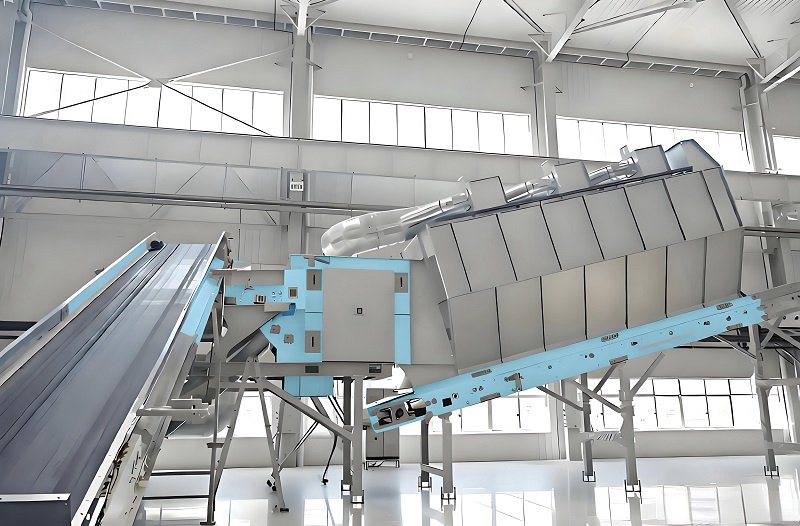
Traditional urban solid waste treatment largely relies on single methods such as landfill and incineration, which have unavoidable ecological shortcomings. Landfill requires a large amount of valuable land resources; a large landfill typically has a lifespan of only 10-15 years, and the leachate generated during the landfill process pollutes soil and groundwater, while methane and other gas emissions exacerbate the greenhouse effect. Although incineration can reduce waste volume, without a complete flue gas purification system, it releases toxic and harmful substances such as dioxins and heavy metals, posing a potential threat to the atmospheric environment and human health. Furthermore, neither landfill nor incineration effectively utilizes the value of recyclable resources in the waste, resulting in serious resource waste. However, the waste sorting equipment developed in areas like Zhengzhou, Henan, where the waste treatment equipment industry is concentrated, fundamentally solves the problems of traditional methods by precisely separating different components of waste, opening up a new path for waste resource utilization.
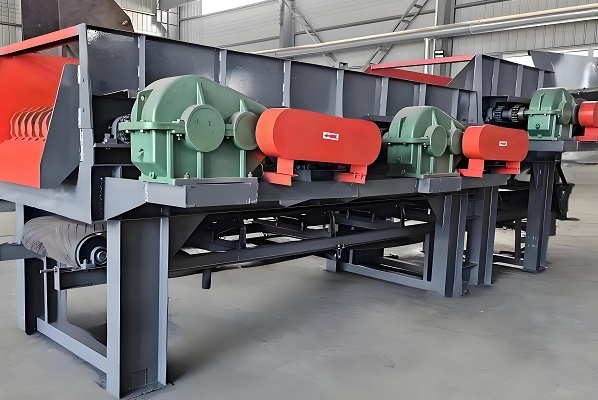
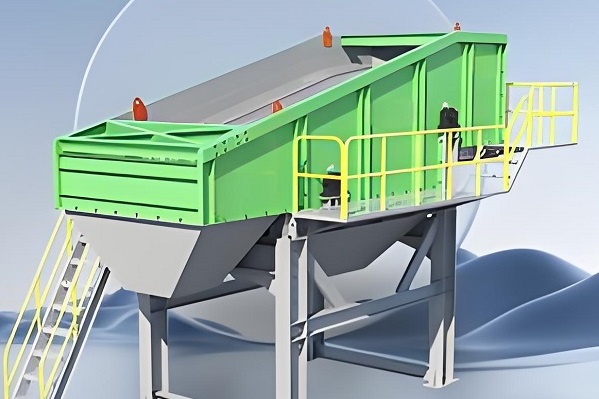
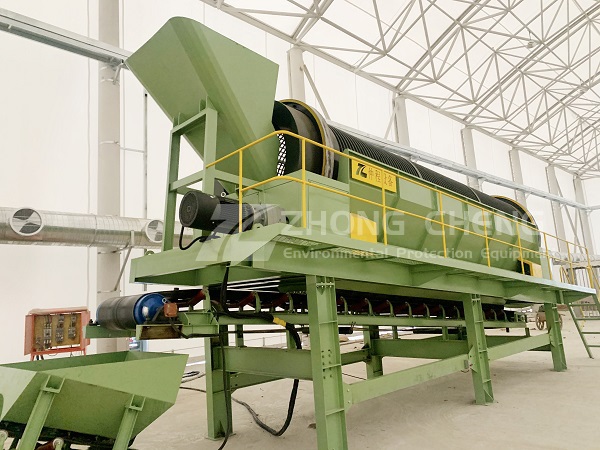
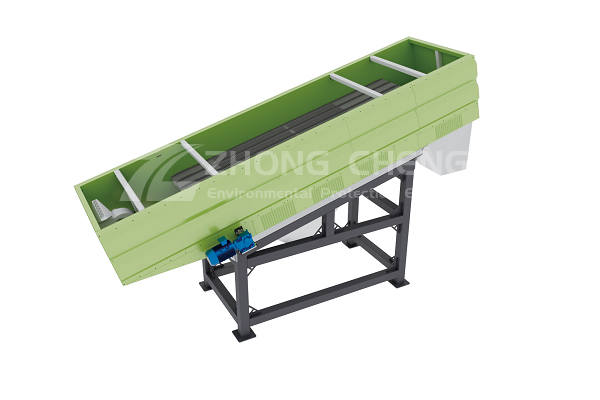
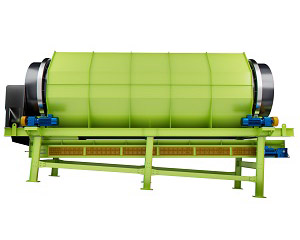
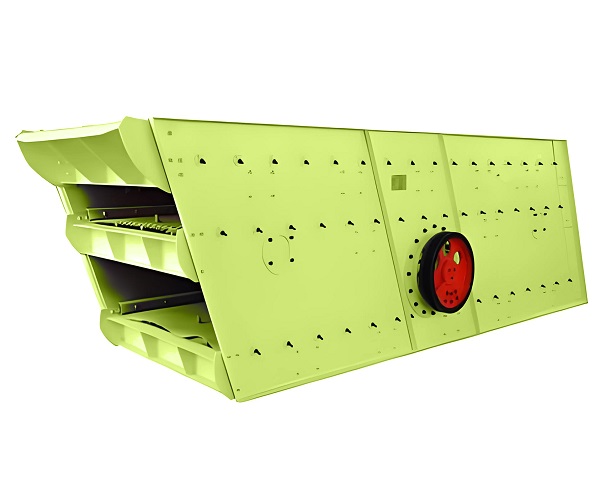
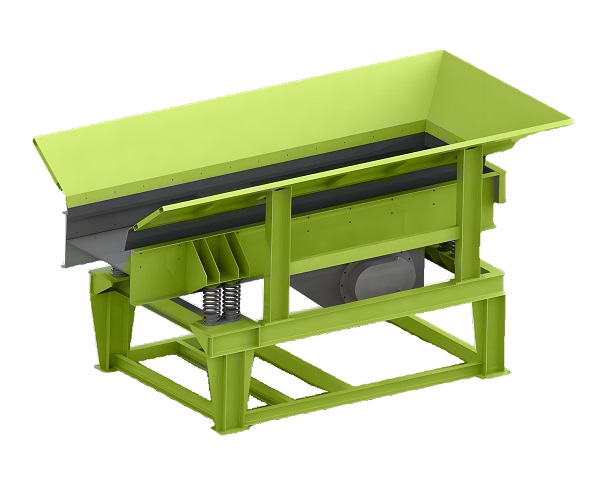
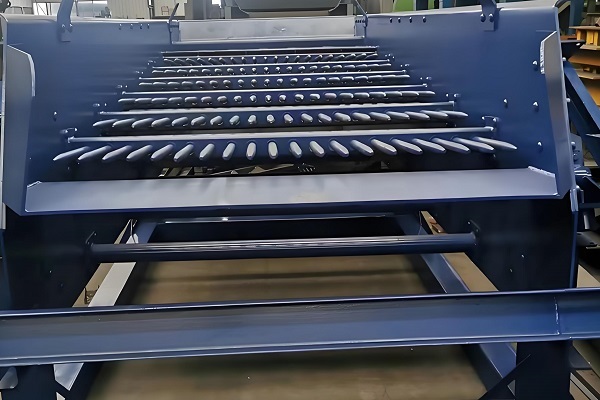
The core value of waste sorting equipment lies in its ability to efficiently separate recyclable resources, organic materials, and inert substances from mixed waste through automated and refined sorting processes, achieving the goal of "turning waste into treasure." Taking the Zhongcheng waste sorting equipment produced by a Zhengzhou-based manufacturer as an example, it integrates various sorting technologies to handle the complex composition of urban solid waste, completing the entire process from coarse sorting to fine sorting. The emergence of such equipment has not only completely changed the "one-size-fits-all" approach to waste treatment but also demonstrated significant advantages in improving treatment efficiency and reducing environmental risks, becoming a core component of modern waste treatment production lines. Waste screening equipment is the "front-line sentinel" in municipal solid waste sorting systems, undertaking the important task of classifying waste by size and preliminary impurity removal. It is also one of the core pieces of equipment that manufacturers in Zhengzhou, Henan Province, focus on developing. Urban solid waste contains a mixture of materials ranging from fine dust to large furniture and bricks. If these materials are directly fed into subsequent processing stages, they can easily cause equipment blockage or damage. Waste screening equipment, through different structural forms such as trommel screens and vibrating screens, separates waste into different particle size grades based on the differences in screen mesh size. For example, a trommel screening device uses an inclined rotating screen drum, utilizing the material's own gravity and the centrifugal force of the rotating drum to separate fine kitchen waste and dust from large pieces of plastic, metal, and bricks. The fine materials can then enter the organic treatment system, while the larger materials proceed to subsequent crushing or sorting stages.
Manufacturers of waste sorting equipment in Zhengzhou, Henan Province, pay particular attention to adapting their waste screening equipment to the complexity of urban waste. Their screening equipment not only has strong anti-clogging capabilities, but also effectively avoids screen mesh blockage problems by optimizing the screen structure and adding cleaning devices, especially for sticky kitchen waste or easily tangled plastic films. At the same time, the equipment adopts a modular design, allowing for flexible adjustment of screen mesh size and screening speed according to the characteristics of waste composition in different cities, ensuring screening efficiency and accuracy. After a city introduced this type of equipment, the efficiency of waste pretreatment increased by more than 10 times compared to traditional manual methods, laying a solid foundation for subsequent resource recovery and harmless treatment.
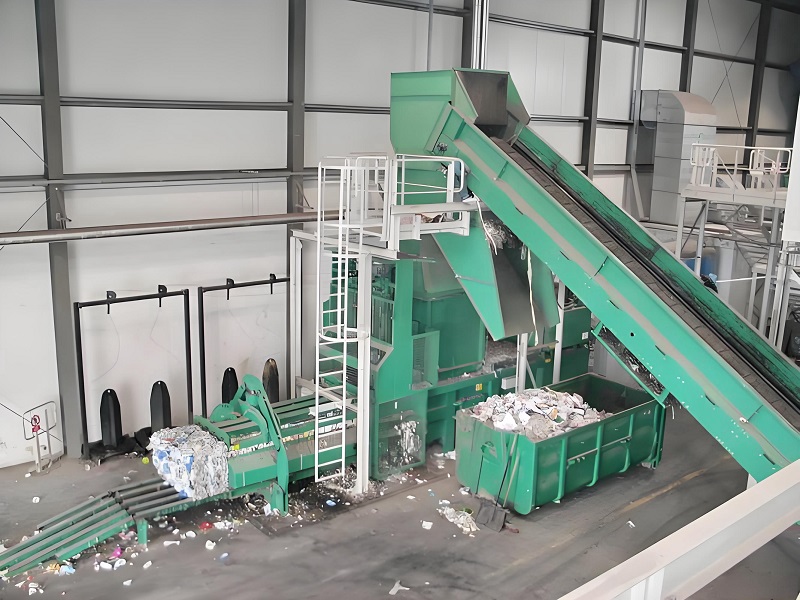
Air separation equipment for municipal solid waste is a key piece of equipment for separating light and heavy materials, playing a core role in the recovery of lightweight recyclable materials such as plastics and paper. Lightweight materials such as plastic bottles, plastic bags, and waste paper in urban solid waste, if processed together with heavy materials such as bricks and metals, are not only difficult to recycle but also affect the effectiveness of subsequent processing. Air separation equipment utilizes aerodynamic principles, precisely controlling the airflow speed and direction, so that lightweight materials are blown to a designated collection area by the airflow, while heavy materials are transported to other processing stages along the bottom by gravity. This sorting method does not require direct contact with the materials, resulting in high sorting efficiency and effectively reducing equipment wear and maintenance costs.
Manufacturers of waste sorting equipment in Zhengzhou, Henan Province, have further improved the adaptability and accuracy of their air separation equipment through technological upgrades. By introducing an intelligent airflow control system, the equipment can automatically adjust the wind speed based on the density differences of the materials, preventing heavy materials from being misclassified due to excessive wind speed, or light materials from being incompletely separated due to insufficient wind speed. In an application at a waste treatment plant, production lines equipped with intelligent air separation equipment achieved a more than 30% increase in the recycling rate of plastics and waste paper compared to traditional manual sorting. The recovered plastics are crushed and granulated for reuse in plastic product manufacturing, while the waste paper is directly sent to paper mills for recycling, achieving efficient resource circulation.
In addition to screening and air separation equipment, a complete urban solid waste treatment system also includes magnetic separation equipment, crushing equipment, and organic fermentation equipment. These devices work together with the sorting equipment to form a closed-loop waste treatment system. Magnetic separation equipment is mainly used to separate ferromagnetic materials from waste, such as scrap nails, aluminum cans, and steel rebar fragments. These metal materials are adsorbed and separated by strong magnetic drums and then sent to metallurgical plants for remelting. Crushing equipment is used to crush and reduce the volume of large pieces of waste (such as furniture and appliance casings), making them easier for subsequent sorting or incineration. Organic fermentation equipment anaerobically ferments organic materials such as kitchen waste after screening. The resulting biogas can be used for power generation or as a clean energy source, and the fermented residue can be made into organic fertilizer, achieving resource utilization of organic waste. Waste sorting equipment manufacturers in Zhengzhou, Henan Province, usually provide integrated solutions including these devices based on the waste treatment needs of different cities, ensuring efficient throughout the entire treatment process.
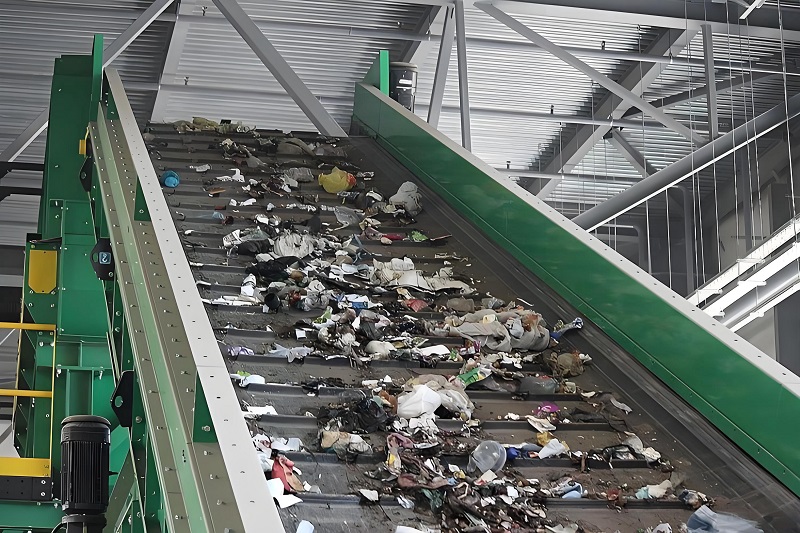
The widespread application of solid waste sorting equipment has not only promoted a transformation in waste treatment models but also demonstrated significant advantages in reducing manual labor and improving processing accuracy. Traditional manual sorting methods require a large number of operators to sort waste in harsh working environments, resulting in high labor intensity, low work efficiency, and certain health risks. Manual sorting typically achieves an efficiency of only a few tens of kilograms per hour, and is susceptible to human error, making it difficult to guarantee sorting accuracy. A large amount of recyclable resources are missed or mixed with other waste. In contrast, household waste sorting equipment from brands like Zhongcheng, utilizing automated assembly lines, can process hundreds of tons of waste per hour, increasing sorting efficiency by more than tenfold.
Automated sorting not only reduces labor costs but also minimizes human error through standardized processing procedures. For example, in the separation of plastics and paper, manual sorting is prone to errors due to visual fatigue, while air separation equipment, through precise airflow control, can achieve efficient separation of the two materials; in metal recycling, magnetic separation equipment can achieve a separation accuracy of over 99%, far exceeding manual sorting levels. At the same time, the enclosed design of the equipment eliminates the need for operators to directly contact the waste, effectively preventing bacteria and viruses in the waste from harming humans and significantly improving the working environment. After a city's waste treatment plant introduced automated sorting equipment, the sorting workshop, which previously required 50 people, now only needs 3-5 people for equipment monitoring and maintenance, reducing labor costs by 90%, and the sorting error rate has decreased from 20% to less than 1%.
As a crucial support for urban environmental engineering, household waste sorting equipment has profound significance in promoting the development of a circular economy. Statistics show that approximately 40%-60% of urban household waste has recyclable value. Through the precise separation of sorting equipment, these resources can be returned to the production chain. Taking waste paper as an example, 1 ton of waste paper can produce 0.8 tons of recycled paper, saving 17 large trees and reducing 3 cubic meters of landfill space; 1 ton of waste plastic can be recycled to refine 0.7 tons of crude oil, reducing crude oil consumption and plastic pollution. The equipment provided by household waste sorting equipment manufacturers in Zhengzhou, Henan, is saving a large amount of natural resources for cities through efficient resource recovery, reducing energy consumption in industrial production, and promoting the formation of a circular economy model of "resources-products-waste-recycled resources".
In terms of environmental governance, the role of household waste sorting equipment is equally prominent. By separating organic materials from waste and subjecting them to fermentation, the amount and concentration of leachate from landfills can be effectively reduced, lowering the risk of soil and groundwater pollution. Inert materials (such as bricks and concrete blocks) can be separated and used to produce recycled building materials, reducing the amount of waste sent to landfills. The recycling of recyclable materials directly reduces pollutant emissions from incineration or landfilling. In a city that adopted sorting equipment from a manufacturer in Zhengzhou, the amount of municipal solid waste sent to landfills decreased by 50%, and the concentration of pollutant emissions from the waste incineration plant decreased by 35%, resulting in a significant improvement in the ecological environment around the city.
Zhengzhou, Henan Province, as an important industrial base for domestic waste sorting equipment, its manufacturers' development history reflects the technological upgrading path of my country's municipal solid waste treatment equipment. Early equipment was mostly single-functional, with low sorting accuracy and efficiency; now, with the integration of technologies such as the Internet of Things and artificial intelligence, the new generation of equipment has achieved intelligent upgrades. For example, some equipment is equipped with high-definition cameras and AI recognition systems, which can accurately identify different types of waste and use robotic arms to complete fine sorting; through IoT sensors, it can monitor equipment operating status and waste processing volume in real time, enabling remote monitoring and fault warning, significantly improving equipment operation and maintenance efficiency. These technological innovations not only enhance the core competitiveness of the equipment but also push my country's urban solid waste treatment equipment to reach internationally advanced levels.
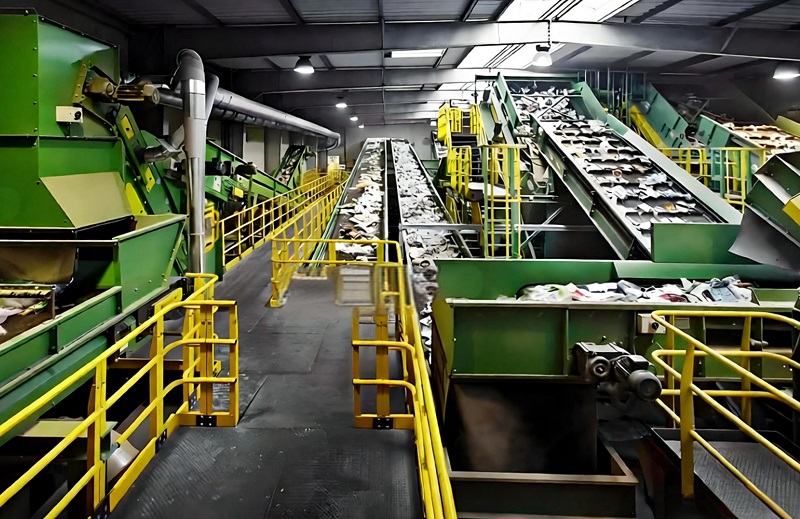
With the increasing public awareness of environmental protection and the advancement of the "dual carbon" goals, the application prospects of urban solid waste treatment equipment will be even broader. In the future, municipal solid waste sorting equipment will develop towards higher efficiency, greater intelligence, and greater energy efficiency: in terms of sorting accuracy, multi-technology integration will enable the separation of more finely divided waste components, such as accurately distinguishing different types of plastics; in terms of energy consumption, optimizing equipment structure and using energy-saving motors will reduce energy consumption per unit of waste processed; in terms of collaborative treatment, it will achieve deep integration with waste incineration, landfilling, and biological treatment processes, building an integrated waste treatment system. Waste sorting equipment manufacturers in industrial bases such as Zhengzhou, Henan Province, will continue to leverage their technological research and development and industrial agglomeration advantages to launch more personalized solutions tailored to the needs of different cities. For urban managers, choosing suitable municipal solid waste treatment equipment requires not only considering the equipment's processing capacity and sorting accuracy, but also taking into account local waste composition characteristics, environmental requirements, and resource recovery goals. Selecting a manufacturer with comprehensive after-sales service is also crucial. Manufacturers of waste sorting equipment in Zhengzhou, Henan, have become preferred partners for many cities due to their mature technology, extensive experience, and comprehensive operation and maintenance systems. By introducing advanced municipal solid waste sorting equipment, cities can not only solve the practical challenges of waste treatment but also promote the development of the environmental protection industry and the construction of a circular economy, creating a cleaner and more livable environment for residents and laying a solid foundation for the sustainable development of the city.
Municipal solid waste treatment equipment, particularly waste sorting equipment represented by companies like Zhongcheng, has become a core component of modern urban environmental protection systems. It is not only an "accelerator" for improving waste treatment efficiency but also a "converter" for resource recycling and a "purifier" for environmental pollution. With the technical support of equipment industry bases in Zhengzhou, Henan, and other regions, and with the continuous innovation of equipment technology and the expansion of its application scope, my country's municipal solid waste treatment will completely move away from the "extensive" model and enter a new era of "precision, resource utilization, and intelligence," injecting continuous momentum into the construction of green and low-carbon cities.


Company: Zhengzhou ZhongCheng environmental protection equipment co., LTD

Company address: 36 xueyuan road, Zhengzhou City, Henan Province, China.

Whatsapp:+86-18738194110


Our Email

Our phone
 86-18738194110
 86-18738194110

Save Time! Get A Detailed Quotation Quickly.


 2024-11-01