Consulting
Service
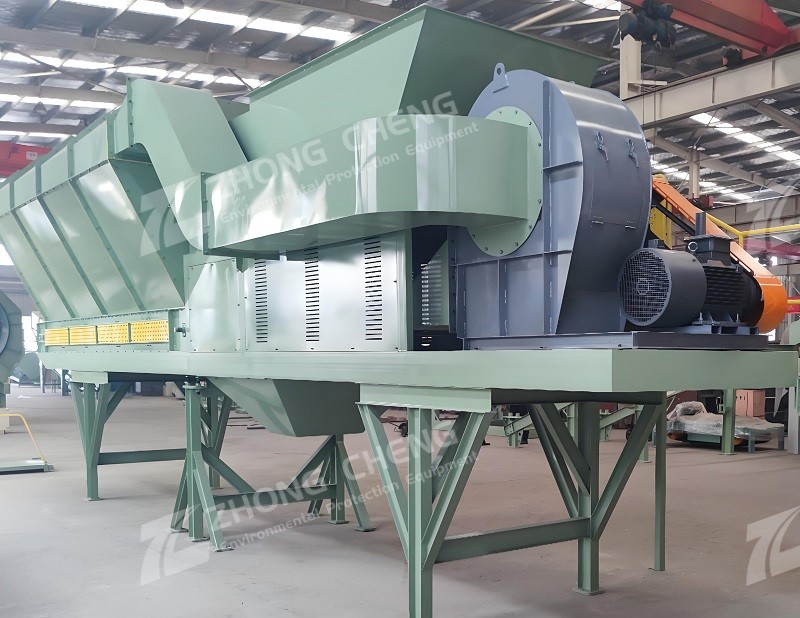
Air classifiers, also known as airflow separators, are dry separation devices that utilize aerodynamic principles to separate light and heavy materials based on differences in density, size, and shape. They are widely used in various fields such as municipal solid waste treatment, coal processing, grain cleaning, and industrial solid waste recycling. Choosing the right air classifier directly determines the separation efficiency, product purity, and production benefits. Inappropriate selection can not only lead to energy waste and accelerated equipment wear but also affect the stability of subsequent production processes. Based on industry experience, the following detailed explanation of how to scientifically select an air classifier helps companies and practitioners avoid pitfalls and accurately match their needs.
Clearly defining your own needs and application scenarios is the prerequisite for selection. The material characteristics and separation objectives differ significantly across different fields, directly determining the type of air classifier to choose. First, the core parameters of the materials to be processed must be clearly defined: Moisture content is a key indicator. As a dry separation device, the air classifier is sensitive to moisture content. If the moisture content is too high (e.g., exceeding 40%), lightweight materials will clump together, and heavy materials will stick together, significantly reducing separation accuracy. Therefore, materials with high moisture content need to be pre-treated, or a suitable dedicated air classifier should be selected. Second, the particle size distribution of the materials must be clearly defined. For example, in grain processing, chaff and sand need to be separated, where the particle size difference is small, requiring a high-precision air classifier. However, after municipal solid waste is crushed, the particle size is mixed, necessitating a balance between processing capacity and separation efficiency.
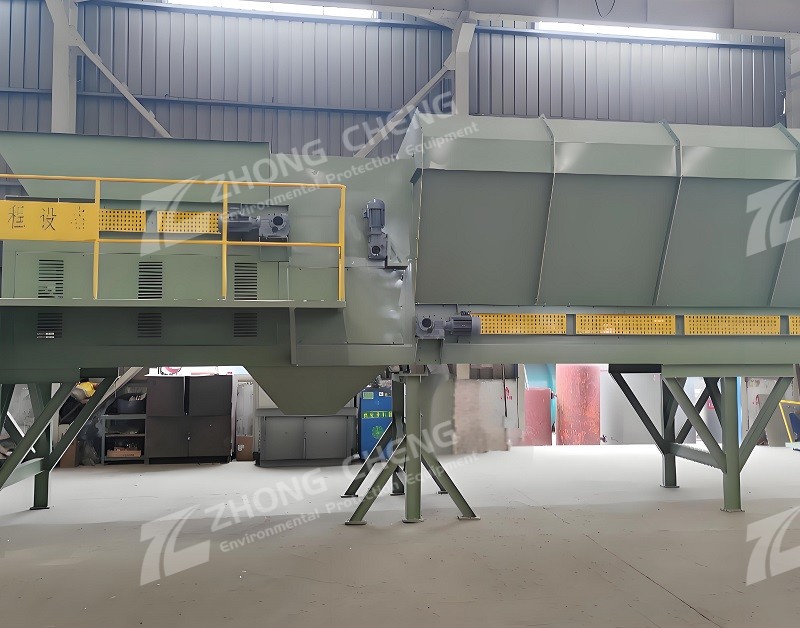
The separation objective also directly influences the selection direction: If used for recycling high-value lightweight materials such as plastics and paper, the focus should be on separation purity; if used for coal gangue removal and ash reduction, the focus should be on separation efficiency and calorific value improvement; if used for grain cleaning, raw material loss must be avoided, and the airflow velocity must be controlled within a reasonable range. Meanwhile, site conditions are crucial. For small processing plants or environments with limited space, vertical wind sifters are suitable due to their small footprint and high precision. For large production lines or open-air operations, horizontal wind sifters are preferable due to their simple structure, ease of maintenance, and ability to be used in conjunction with other equipment.
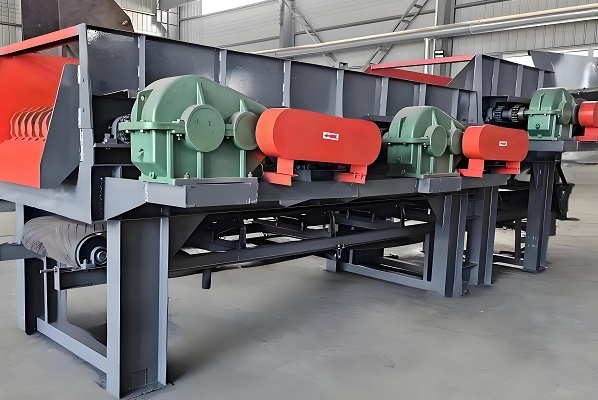
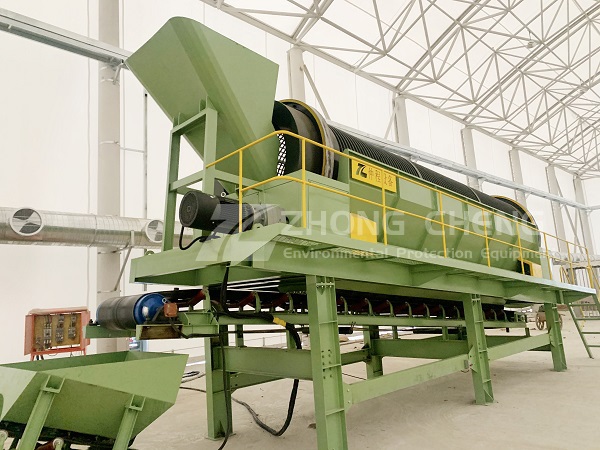
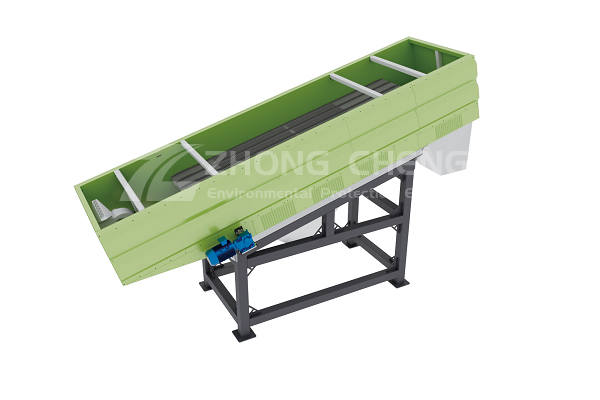
Understanding the characteristics of different wind sifter types is essential for accurately matching materials and scenarios. Currently, wind sifters on the market are mainly divided into horizontal and vertical types, resulting in various models such as settling boxes, centrifugal separators, and air jigs. The applicable scenarios and performance of each type of equipment differ significantly. Horizontal wind sifters have a simple structure, lower cost, and convenient maintenance, but their separation precision is relatively low. They are suitable for coarse separation where high purity is not required and are often used in conjunction with crushing and screening equipment, widely applied in the coarse separation stage of municipal solid waste.
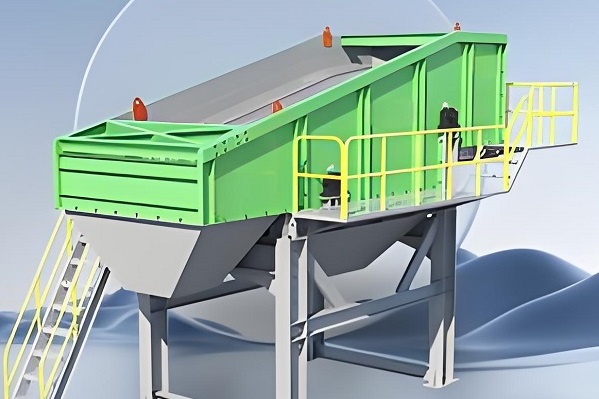
Vertical air classifiers employ an upward airflow design, resulting in higher separation accuracy. They effectively separate materials with similar particle sizes but different densities, making them suitable for applications such as grain processing and fine solid waste recycling. Centrifugal air classifiers can also be used for classifying fine-particle materials, offering low energy consumption and high production capacity, but their classification accuracy is significantly affected by airflow velocity distribution. Furthermore, air jigs for coal sorting, centrifugal separators for fine materials, and specialized air classifiers for construction waste and industrial solid waste require selection based on specific material characteristics. For example, waterless air classifiers can be used for coal sorting to avoid the environmental pressure and increased costs associated with water washing.
Focusing on core technical parameters ensures separation effectiveness and stability. Technical parameters are crucial for evaluating the performance of air classifiers, with a focus on four key aspects: airflow parameters, throughput, energy consumption, and structural design. Airflow parameters, including wind speed, air volume, and gas-solid ratio, directly determine the sorting accuracy. For the sorting of light components in municipal solid waste, a gas-solid ratio of 1.25:1 to 5:1 is ideal. The wind speed in the core sorting area needs to be adjusted according to the material; for example, the wind speed for grain cleaning should be controlled at 6-8 m/s. Too low a speed will result in incomplete separation of light and impurities, while too high a speed will easily cause raw material loss. Simultaneously, the uniformity and adjustability of the airflow field are crucial. High-quality wind sifters can flexibly adjust wind speed and direction according to the real-time characteristics of the material, avoiding airflow short-circuiting and material entanglement, ensuring stable sorting results.
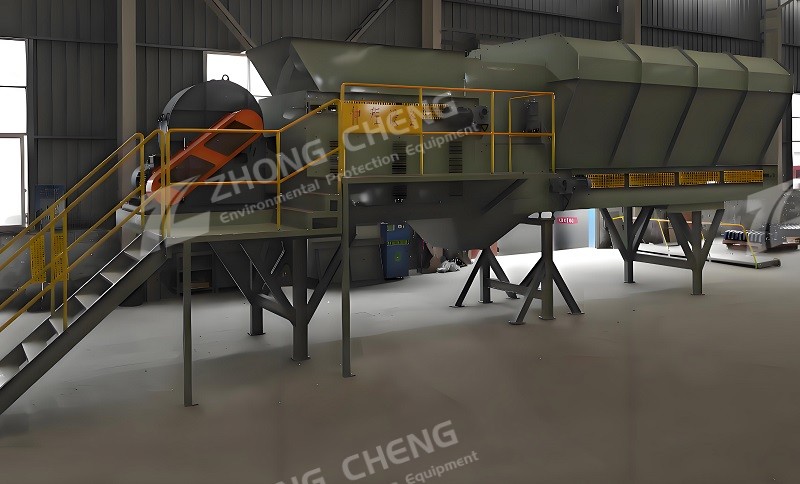
The processing capacity must match the production line capacity. A 10%-20% margin should be reserved during selection to avoid overloading the equipment, which can lead to accelerated wear and frequent malfunctions. For example, small and medium-sized coal mines can choose models with a processing capacity of 120-150 t/h, while large coal washing plants require equipment with a capacity of 240-300 t/h. In terms of energy consumption, wind sifters with an internal circulation airflow design are preferred. These can recover airflow energy, reducing energy consumption by 50% compared to traditional direct-discharge equipment. Combined with high-efficiency dust removal components, they balance environmental protection and energy saving. Structural design should focus on wear-resistant materials and ease of maintenance. For harsh environments such as solid waste treatment, high-strength wear-resistant liners are necessary. Key components should be easily replaceable to reduce downtime for maintenance. A comprehensive dust removal system should also be included to prevent dust escape and meet environmental standards.
Considering equipment quality and supplier service is crucial to reducing long-term operating costs. The quality of the wind sifter directly determines its service life and operational stability. When selecting a model, attention should be paid to the materials of core components such as fans, separators, and screens. Prioritize high-quality, corrosion-resistant, and wear-resistant materials to prevent equipment failure due to material wear. The level of intelligence in the equipment should also be considered. wind sifters with automatic parameter adjustment, remote monitoring, and unattended operation capabilities can reduce labor costs and improve operational convenience, making them particularly suitable for large-scale production lines.
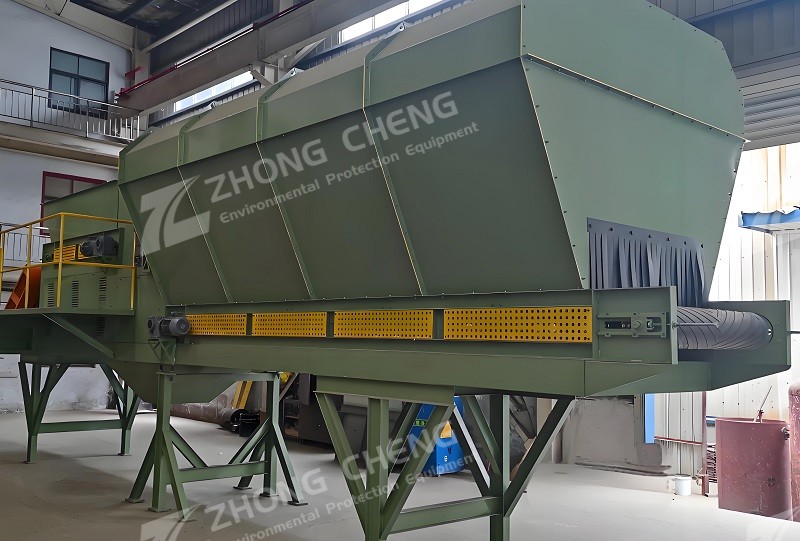
The supplier's overall strength and after-sales service are equally important. High-quality suppliers not only provide equipment that meets specific needs but also design optimized sorting processes based on project experience. This enables seamless integration of wind sifters with crushing, magnetic separation, and screening equipment, adhering to the principle of "screening before crushing, magnetic separation before air separation" to improve overall sorting efficiency. Simultaneously, it's crucial to confirm whether the supplier offers one-stop services including installation and commissioning, personnel training, and regular maintenance. Comprehensive after-sales service can promptly resolve operational issues and minimize downtime losses. Furthermore, prioritizing suppliers with successful case studies and a good reputation ensures more reliable equipment performance and mature processes, reducing selection risks.
Avoid selection pitfalls and maximize cost-effectiveness. In actual selection, some practitioners easily fall into the trap of "only looking at price" and "blindly pursuing high parameters," leading to equipment mismatches with needs. It's important to understand that excessively low-priced equipment often uses inferior materials and consumes more energy, resulting in higher long-term operating costs. Conversely, excessively pursuing high throughput and high precision, exceeding actual needs, will lead to equipment idleness and wasted energy. Meanwhile, the material pretreatment stage must not be neglected. If the material contains metals or large impurities, these must be removed beforehand using magnetic separation or screening equipment; otherwise, it will accelerate wear and tear on the wind sifter, affecting the sorting effect and equipment lifespan.
Selecting a suitable wind sifter should follow the core logic of "clarifying needs → matching type → verifying parameters → considering service," combining material characteristics, sorting objectives, site conditions, and budget to comprehensively weigh equipment performance and operating costs. Only by achieving a precise match between equipment and needs can the sorting advantages of the wind sifter be fully utilized, improving production efficiency and product quality, reducing energy consumption and maintenance costs, and providing a guarantee for enterprises to achieve green and efficient production.


Company: Zhengzhou ZhongCheng environmental protection equipment co., LTD

Company address: 36 xueyuan road, Zhengzhou City, Henan Province, China.

Whatsapp:+86-18738194110


Our Email

Our phone
 86-18738194110
 86-18738194110

Save Time! Get A Detailed Quotation Quickly.


 2024-11-01