Consulting
Service
With the rapid pace of urbanization, urban waste problems are becoming increasingly severe, posing a key obstacle to high-quality urban development and ecological environment construction. Waste screening, as a core technology for solving the urban waste management dilemma, is reshaping the urban environmental governance landscape with its systematic solutions. This article will delve into the core value and far-reaching significance of waste screening in urban environmental governance from the perspectives of pollution control, resource recycling, ecological optimization, and governance system upgrading.
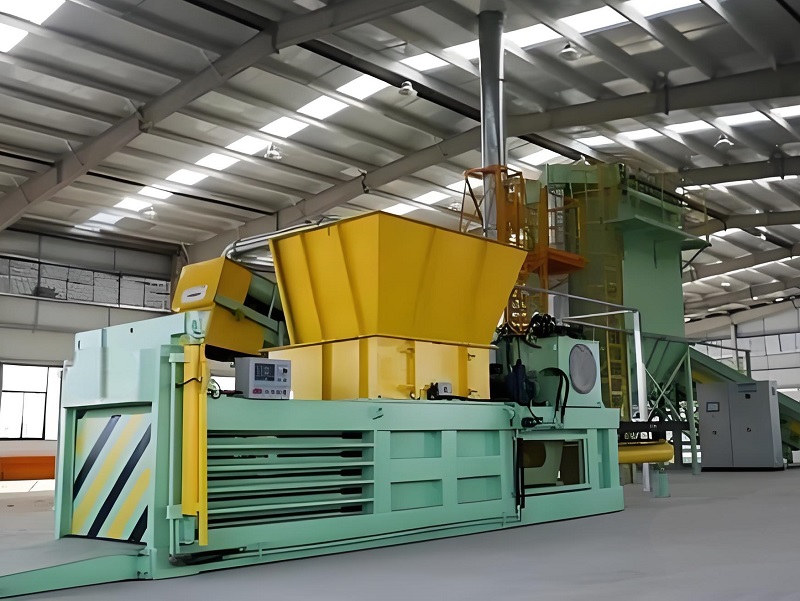
Waste Screening: A Core Link in Urban Pollution Source Control
Urban household waste is complex, containing kitchen waste, plastics, metals, bricks, stones, and hazardous waste. Direct landfilling or incineration can cause multiple forms of environmental pollution. Waste screening, through precise classification and separation of different components, cuts off the pollution transmission path at the source, becoming a key tool for pollution control.
In terms of soil pollution prevention, unscreened landfills are a major source of heavy metal and organic pollution in soil. When hazardous components such as batteries and paint cans leak from waste, heavy metals such as lead, mercury, and cadmium can seep into the soil, leading to decreased soil fertility and even groundwater pollution. Waste screening can effectively separate over 90% of hazardous waste, allowing for separate collection and treatment and preventing the spread of heavy metals. Statistics show that landfills using screening pretreatment have a 65% lower rate of heavy metal contamination in surrounding soil compared to traditional landfills, and a groundwater quality compliance rate that increases by over 50%. For example, a first-tier city uses a waste screening system to separate approximately 23,000 tons of hazardous waste annually, shortening the soil remediation cycle in landfill areas by 3-5 years.
In air pollution control, waste screening can reduce pollutant emissions during incineration. Unscreened waste contains approximately 15%-20% non-combustible components such as bricks and metals. These components reduce combustion efficiency and increase the generation of pollutants such as dioxins and particulate matter in incinerators. After removing non-combustible components through screening, the calorific value of waste incineration increases by 30%-40%, resulting in more complete combustion. Dioxin emission concentrations can be controlled below 0.1 ng TEQ/m³, meeting EU environmental standards. Meanwhile, the separated kitchen waste can be treated separately through anaerobic fermentation, avoiding the large amounts of methane produced during incineration (methane's greenhouse effect is 28 times that of carbon dioxide), thus helping cities achieve their "dual-carbon" goals.
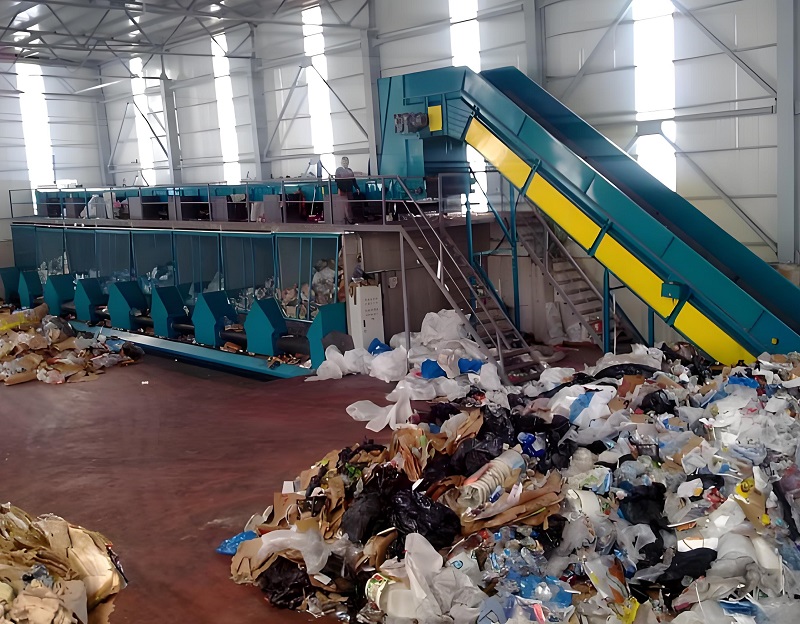
Waste Screening Promotes Urban Resource Recycling and Reduces Environmental Burden
Urban waste is essentially "resources in the wrong place." Waste screening, through precise separation, allows for the efficient recycling of various components, reducing the extraction of primary resources and lowering environmental burden.
Kitchen waste accounts for 40%-60% of total urban household waste. After screening, it can be anaerobically fermented to produce biogas (approximately 100-150 m³ of biogas can be produced per ton of kitchen waste). After purification, the biogas can be used as clean energy for residential use or integrated into the city's gas network. The fermented residue can be processed into organic fertilizer for urban greening or agricultural production, achieving a "waste-energy-fertilizer" cycle. For example, a waste screening and resource utilization center built in a provincial capital city processes 800 tons of kitchen waste daily, producing 21.9 million m³ of biogas annually, equivalent to saving 18,000 tons of standard coal and reducing carbon dioxide emissions by 45,000 tons.
After screening and separation, recyclable materials such as waste paper, plastics, and metals can re-enter the industrial production chain. Waste screening systems can increase paper recycling rates to over 85%, plastic recycling rates to 60%, and metal recycling rates to 95%. Recycling 1 ton of waste paper can save 3 cubic meters of wood, 100 cubic meters of water, and 600 kilowatt-hours of electricity; recycling 1 ton of waste plastic can save 7.4 barrels of oil and reduce carbon dioxide emissions by 3.8 tons. Through waste screening, a coastal city in my country recycles approximately 1.2 million tons of various recyclable materials annually, equivalent to reducing the extraction of primary resources by 3 million tons, and reducing the environmental damage caused by mining, oil refining, and other industrial activities.
Furthermore, inert materials such as bricks and concrete blocks separated by waste screening can be processed into recycled aggregates for road base paving and brick making. One ton of construction waste, after screening and processing, can produce 0.8 tons of recycled aggregates, replacing natural sand and gravel and reducing the ecological damage caused by river sand mining and mountain quarrying. One first-tier city, through waste screening to process construction waste, produces 2 million tons of recycled aggregates annually, saving approximately 300 acres of land and reducing natural sand and gravel mining by 1.6 million tons.
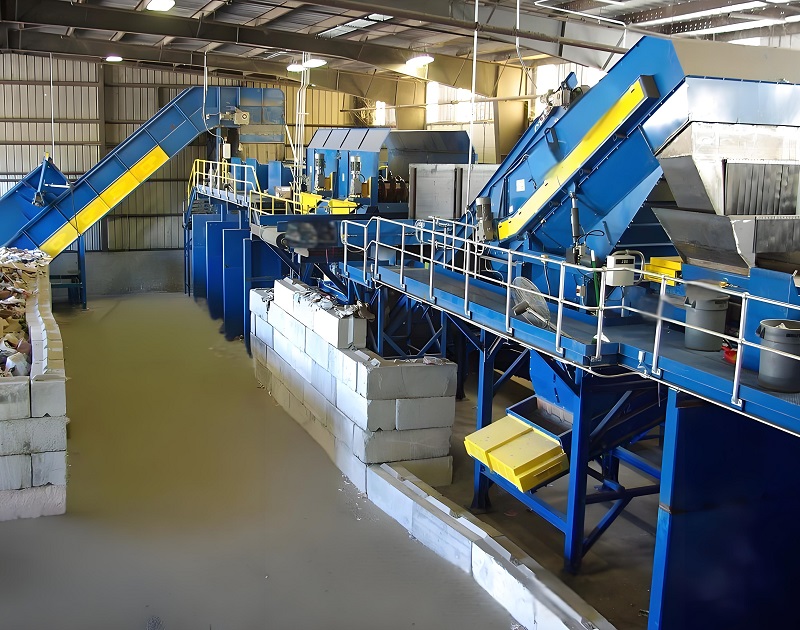
Waste Screening Optimizes Urban Ecological Pattern and Improves the Quality of the Living Environment
The site selection and operation of waste treatment facilities are often weak links in the urban ecological environment. Waste screening, through volume reduction and harmless treatment, effectively mitigates the impact of waste treatment facilities on the surrounding environment and optimizes the urban ecological pattern.
In terms of volume reduction, waste screening can reduce the volume of urban domestic waste by 30%-50% and its weight by 20%-40%. Taking a city with a population of one million as an example, approximately 1,500 tons of domestic waste are generated daily. After screening, the amount going to landfills can be reduced by 600 tons, significantly extending the lifespan of landfills. Traditional landfills are typically designed for a lifespan of 10-15 years; with screening pretreatment, this lifespan can be extended to 20-30 years, reducing the land resources required for new landfills and preventing secondary damage to the surrounding ecological environment.
In terms of improving the living environment, waste screening effectively reduces odors and mosquito breeding. Untreated waste easily produces malodorous gases such as hydrogen sulfide and ammonia during collection and transportation, attracting mosquitoes, rodents, and spreading diseases. The waste screening system uses a closed design, combined with negative pressure dust removal and deodorization equipment, which can control the concentration of malodorous gases below national standard limits. Kitchen waste is quickly separated and processed, avoiding spoilage caused by prolonged storage, significantly improving the air quality around waste transfer stations and treatment plants. A survey of residents' satisfaction around a city's waste treatment plant showed that after adopting a waste screening system, residents' satisfaction with environmental quality increased from 35% to 82%.
Meanwhile, the ecological construction of waste screening facilities integrates into the urban ecosystem. Modern waste screening and treatment centers combine treatment facilities with urban parks and green spaces through measures such as green coverage and noise reduction, creating "ecological waste treatment parks." For example, a city's waste screening center has built 100 acres of ecological green space around it, planting more than 3,000 trees and shrubs, forming a virtuous cycle of "waste treatment - ecological restoration" and becoming an important part of the city's ecological corridor.
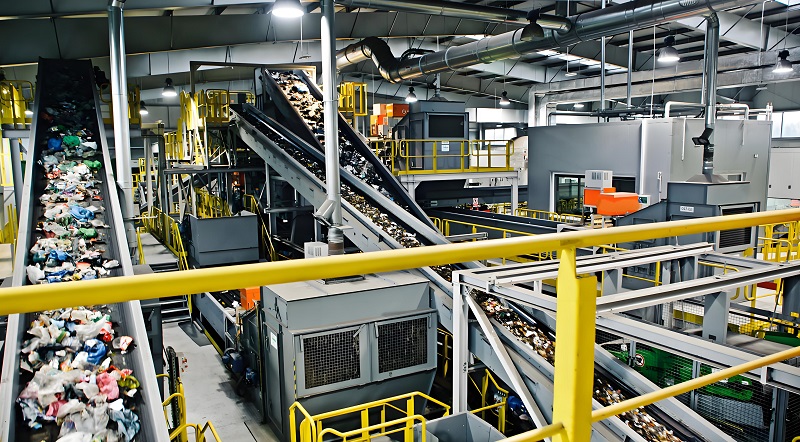
Waste Screening Helps Upgrade the Urban Environmental Governance System and Improve Management Efficiency
Waste screening is not only a technical means of environmental governance, but it also promotes the systematic and refined upgrading of the urban environmental governance system, improving urban management efficiency.
In terms of governance models, waste screening promotes the transformation of urban waste treatment from "end-of-pipe disposal" to a full-chain governance of "source sorting - mid-stage screening - end-of-pipe resource recovery." Big data analysis of waste sorting systems allows for precise understanding of changes in urban waste composition, providing a scientific basis for source separation promotion and waste treatment facility planning. For example, if sorting data reveals an excessively high proportion of plastic waste in a certain area, targeted promotion and enforcement of the "plastic restriction order" can be implemented. Based on changes in kitchen waste generation, the operating parameters of anaerobic digestion facilities can be adjusted to improve processing efficiency. This "data-driven" governance model makes urban environmental management more targeted and scientific.
In terms of emergency preparedness, waste sorting systems enhance a city's environmental protection capabilities in response to public emergencies. In the event of sudden events such as epidemics or natural disasters, the quantity and composition of urban waste can change drastically. Improper handling can easily trigger secondary environmental disasters. Waste sorting systems can quickly adjust separation parameters, prioritizing the separation of hazardous and perishable waste, ensuring a safe and controllable waste treatment process. For example, during the epidemic, a city used a waste sorting system to quickly separate medical waste from household waste, avoiding cross-contamination and ensuring urban environmental safety.
In terms of policy implementation, waste sorting is a key support for implementing national policies such as "waste sorting" and "zero-waste cities." The core of "zero-waste city" construction is to achieve waste reduction, resource recovery, and harmless disposal. Waste screening, as a core technological equipment, enables the full transformation of waste sorting results. Currently, my country has comprehensively promoted waste screening technology in 46 pilot "zero-waste cities." Through screening systems, the average waste resource utilization rate in pilot cities has increased to over 55%, and the proportion of waste going to landfills has decreased to below 30%, providing replicable and scalable experience for urban environmental governance nationwide.
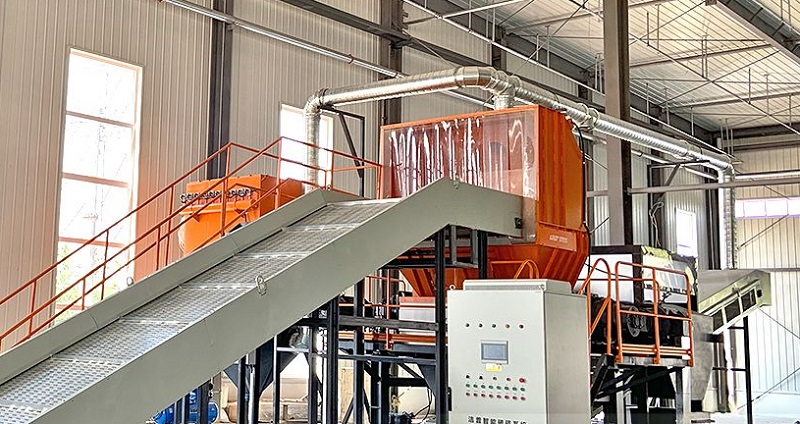
Conclusion: Waste Screening is an Inevitable Path to Sustainable Urban Development
The urban environment is the core carrier of residents' quality of life, and waste management is of paramount importance in urban environmental governance. Waste screening, through pollution source control, resource recycling, ecological pattern optimization, and governance system upgrading, provides a systematic solution for urban environmental governance and is an inevitable path for cities to achieve sustainable development.
With continuous technological advancements, waste screening systems will develop towards intelligence, efficiency, and integration, further improving separation accuracy and resource recovery efficiency. In the future, waste screening will not only be a crucial step in waste management but will also be deeply integrated into urban ecosystems and the circular economy, becoming a vital support for urban green development. By continuously promoting waste screening technology and improving the waste resource utilization industry chain, cities will achieve the goals of "waste reduction, resource maximization, and environmental harmlessness," laying a solid foundation for improving the living environment and building ecological civilization.
Waste screening technology, with its outstanding achievements in pollution control, resource recycling, ecological improvement, and governance upgrading, has become a key support for urban environmental governance. It not only curbs pollution spread at its source and promotes efficient resource recycling but also significantly optimizes the urban ecological pattern and enhances governance efficiency. With technological iteration, waste screening will be deeply integrated into the urban sustainable development system, continuously contributing to the realization of "waste reduction, resource maximization, and environmental harmlessness," injecting strong momentum into ecological civilization construction and urban green development.


Company: Zhengzhou ZhongCheng environmental protection equipment co., LTD

Company address: 36 xueyuan road, Zhengzhou City, Henan Province, China.

Whatsapp:+86-18738194110


Our Email

Our phone
 86-18738194110
 86-18738194110

Save Time! Get A Detailed Quotation Quickly.


 2024-11-01