Consulting
Service
As a core coarse crushing equipment in mining, building materials, and infrastructure industries, the European-style jaw crusher's installation quality and commissioning results directly determine its operational stability, crushing efficiency, and service life. A scientifically standardized installation process can effectively avoid common problems such as frame swaying, bearing overheating, stalling, material blockage, and uneven output; precise and meticulous commissioning allows the equipment to quickly reach its optimal working state, reducing failure rates and maintenance costs. This article elaborates on the pre-installation preparation, foundation construction, equipment installation, system commissioning, and precautions for the European-style jaw crusher, providing comprehensive guidance for its safe and efficient commissioning.
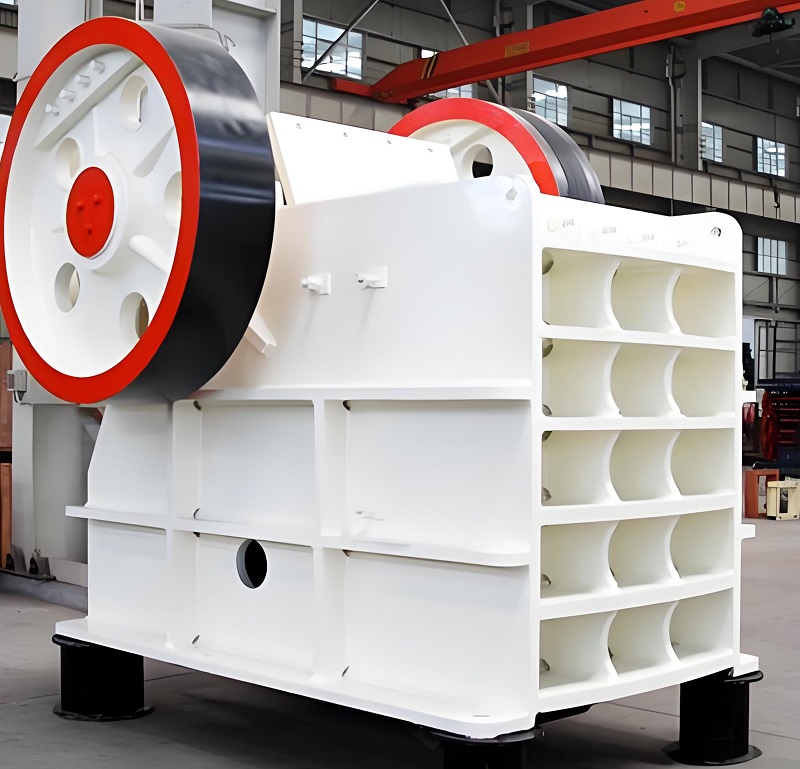
Pre-installation preparation is a prerequisite for the successful installation of the equipment and requires coordinated efforts in terms of site, materials, and technology. First, the installation site must be cleared, ensuring a flat and open ground to meet the needs of equipment hoisting, operation, and subsequent maintenance, while reserving installation locations for feeding, discharging, and dust removal equipment. Second, the equipment components, including the main frame, moving jaw assembly, motor, pulleys, lubrication system, electrical control system, and fasteners, must be checked for any deformation, damage, or corrosion during transportation, and the model and quantity must be verified to match the factory specifications. Technical personnel must thoroughly understand the equipment manual, installation drawings, and technical parameters, be familiar with the installation sequence, tolerance requirements, and tightening standards, and prepare hoisting equipment, testing tools, special wrenches, levels, and other tools in advance to ensure an orderly installation process.
Foundation construction is crucial for ensuring stable equipment operation and must be carried out strictly according to the design drawings. European-style jaw crushers experience significant vibration during operation, requiring foundations with sufficient strength, rigidity, and stability, typically using reinforced concrete structures. The foundation dimensions and pre-embedded bolt positions must be determined based on the equipment's size and weight. The foundation depth must be determined in conjunction with geological conditions to prevent ground subsidence or cracking. During construction, ensure the foundation surface is level, and that pre-embedded bolts are accurately and securely positioned. After concrete pouring, ensure adequate curing until the design strength is reached before equipment installation. Direct installation of equipment on soft, collapsed, or uneven ground is strictly prohibited, as this can easily lead to frame deformation, bearing damage, belt misalignment, and other malfunctions.
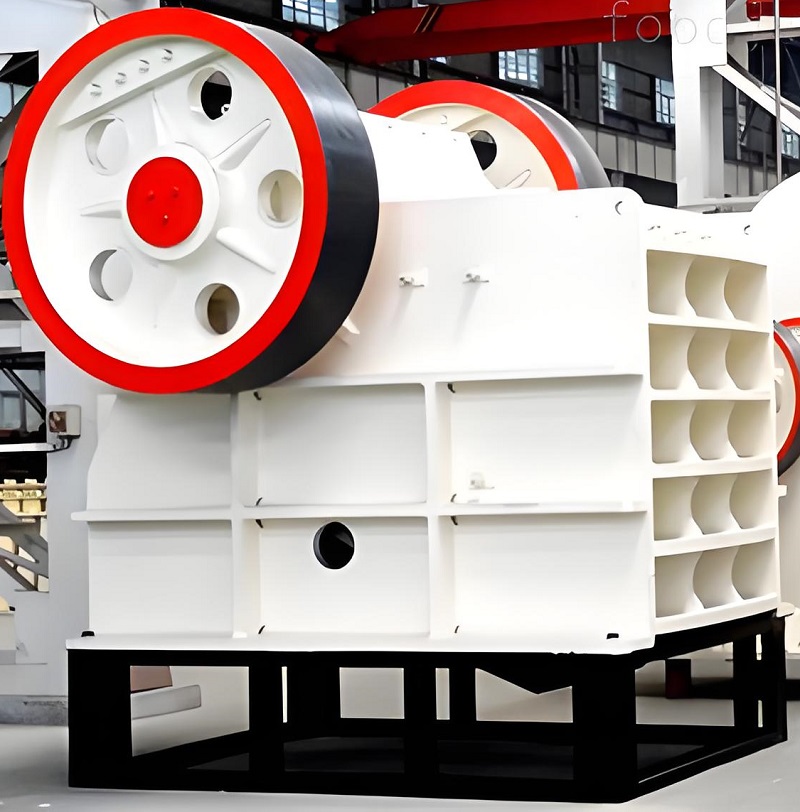
The main equipment installation must follow the principle of "bottom to top, main unit first, then auxiliary units." First, hoist the main frame onto the concrete foundation, adjusting its level and verticality. Use a level to check the frame's horizontal and vertical alignment, ensuring the error is within acceptable limits. Then, evenly tighten the anchor bolts to ensure a tight fit between the frame and the foundation. Next, install the moving jaw assembly, jaw plates, bearing housings, and other components, ensuring the bearings are properly installed and adequately lubricated, the jaw plates are securely fixed without looseness, and the moving jaw rotates smoothly without jamming. Then, install the flywheel, pulleys, and drive belt, adjusting the belt tension appropriately to ensure the pulleys and motor pulleys are on the same plane, preventing belt misalignment and accelerated wear. The motor installation must match the main unit, be securely fixed, and have standardized wiring. Protective devices must also be installed to ensure safe operation. Connect the lubrication system, cooling system, and dust removal device according to the drawings, ensuring unobstructed pipelines and no leaks.
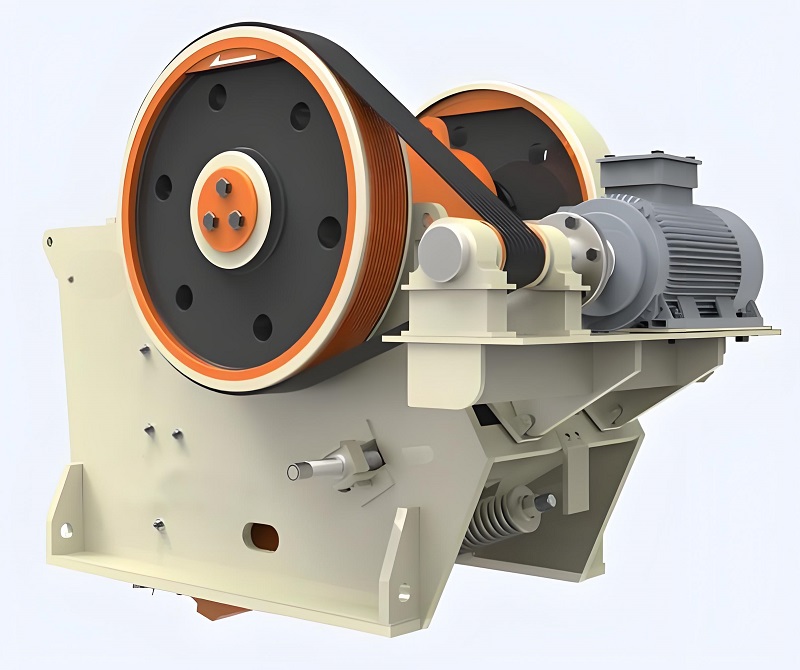
System commissioning is the final step before putting the equipment into operation, divided into two stages: no-load commissioning and load commissioning. No-load commissioning is conducted with no material present. First, manually rotate the machine to check if the rotating parts are flexible and free from collisions, friction noises, or other abnormalities. After confirming everything is correct, start the motor. Run the machine under no-load for 2-4 hours, observing bearing temperature, lubrication, belt operation, machine vibration, and motor current. Bearing temperature should not be excessively high, there should be no abnormal noise from any components, and fasteners should be secure. After successful no-load testing, proceed with load testing, gradually adding small amounts of material to increase output from low to rated capacity, running continuously for 8-12 hours. Focus on monitoring crushing output, output particle size, equipment vibration, motor load, and discharge conditions. Adjust the discharge port gap to the target size to ensure uniform output, compliant particle shape, and no issues such as stalling, blockage, or overheating. Record data carefully during testing; immediately stop the machine if any problems are found, troubleshoot, and resume operation only after resolving the fault.
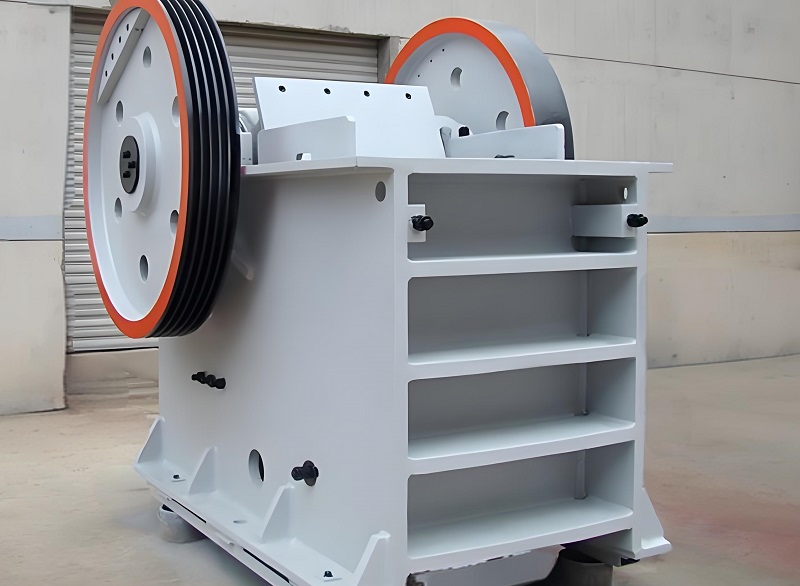
During installation and testing, safety and attention to detail are paramount. All personnel must wear protective equipment, and hoisting operations must be directed by a designated person. Unauthorized operations are strictly prohibited. Before operation, remove any debris from the machine and ensure that protective devices are complete and effective, and that the electrical system is reliably grounded. During testing, personnel are strictly prohibited from standing near the discharge port or transmission parts to prevent accidents. After commissioning, a comprehensive inspection of the equipment is conducted, loose parts are tightened, lubricating grease is replenished, installation and commissioning records are compiled, and an equipment file is established to provide a basis for future operation, maintenance, and repair.
Standardized installation and precise commissioning are crucial for the long-term stable operation of the European-style jaw crusher. Only by strictly adhering to technical standards and operating procedures, and by properly handling every step of the process—from preliminary preparation and foundation construction to component installation and system commissioning—can the equipment's performance be maximized, operational risks reduced, and its service life extended. After the equipment is put into operation, reasonable operating procedures and maintenance plans should be developed based on the commissioning parameters to ensure correct use and regular maintenance, thereby improving the overall efficiency of the production line and providing solid support for the continuous and stable operation of production.


Company: Zhengzhou ZhongCheng environmental protection equipment co., LTD

Company address: 36 xueyuan road, Zhengzhou City, Henan Province, China.

Whatsapp:+86-18738194110


Our Email

Our phone
 86-18738194110
 86-18738194110

Save Time! Get A Detailed Quotation Quickly.


 2024-11-01