Consulting
Service
In sand and gravel production lines, mining, construction waste treatment, and highway and railway infrastructure projects, the European-style jaw crusher, as a core coarse crushing equipment, directly determines the output, particle shape, energy consumption, and operational stability of the entire production line. With numerous brands and complex models on the market, many users experience problems such as insufficient output, rapid wear and tear on vulnerable parts, high failure rates, and high operating costs due to improper selection. When purchasing a European-style jaw crusher, one cannot only consider price and appearance; a comprehensive judgment must be made based on raw material characteristics, output requirements, output specifications, site conditions, and subsequent operation and maintenance. Below, we systematically explain how to select a suitable, durable, and cost-effective European-style jaw crusher, starting from the core points.
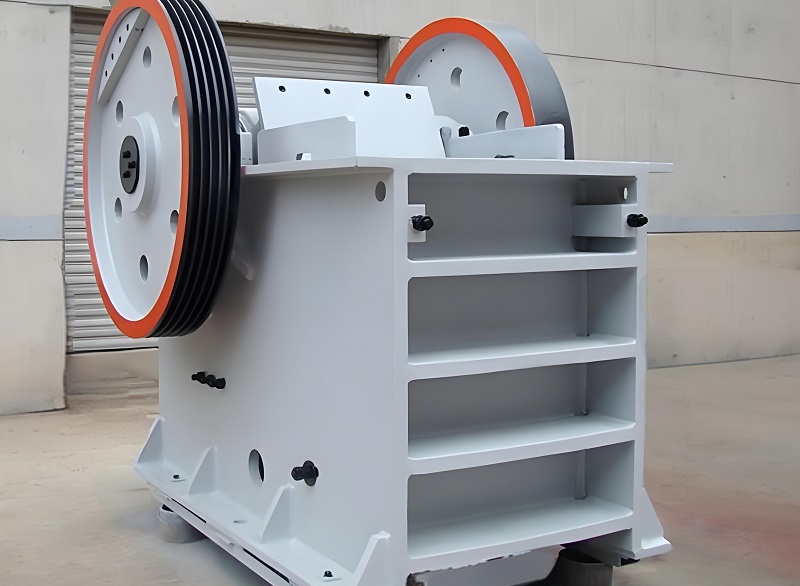
When purchasing a European-style jaw crusher, the first step is to clarify the type and hardness of the raw material. European-style jaw crushers are mainly used for crushing medium-to-high hardness materials such as granite, basalt, limestone, pebbles, iron ore, and construction waste. Different raw materials have significantly different requirements for equipment wear, cavity structure, and power configuration. For soft rocks such as limestone, standard configuration models can be used at a lower cost. However, for high-hardness rocks such as basalt and granite, a European-style jaw crusher with thickened wear-resistant liners, a high-strength frame, and a large crushing ratio must be selected. Otherwise, problems such as premature liner wear, frame deformation, and machine stalling may occur. Simultaneously, the moisture content of the raw material must be monitored. Excessive moisture content can cause material sticking and blockage; this should be communicated to the manufacturer in advance during model selection to adjust the feeding structure and discharge gap.
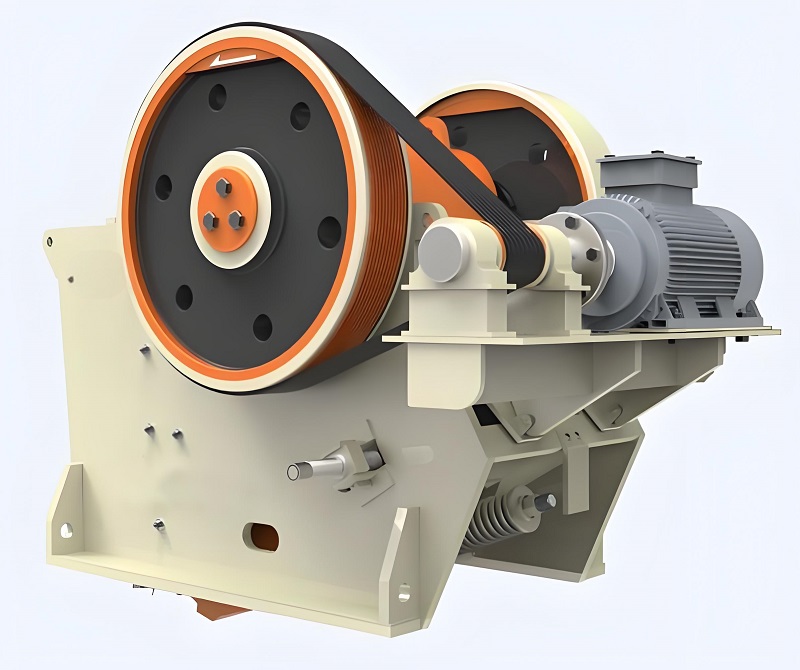
Secondly, output and feed particle size are the most critical indicators for model selection. European-style jaw crusher models are typically classified by feed inlet size, such as PEV600×900, 750×1060, 900×1200, 1100×1300, 1300×1600, etc. A larger feed inlet allows for larger raw material sizes and theoretically higher output. Users should clearly define their hourly, daily, and annual output targets to avoid under-powered or over-powered machines. Small-scale, low-volume production lines can utilize small to medium-sized European-style jaw crushers, which require less investment and occupy less space. Large-scale production lines, however, necessitate larger models to ensure continuous and stable production. It's crucial to confirm the maximum feed size of the raw material and ensure it's smaller than the equipment's maximum allowable feed particle size; otherwise, proper feeding may fail, potentially damaging the equipment.
The ability to adjust the discharge particle size is a key selection criterion. European-style jaw crushers employ wedge adjustment devices, offering more precise, convenient, and labor-saving adjustments compared to traditional jaw crushers. They allow for quick adjustment of the discharge opening width to meet different coarse crushing requirements. When purchasing, ensure the discharge adjustment range matches the feed requirements of the next process, such as cone crushers or impact crushers. The uniformity of the output particle shape and the low content of needle-like and flaky particles directly affect the quality of the finished sand and gravel. High-quality European-style jaw crushers utilize a deep-cavity crushing structure, resulting in a longer crushing stroke, more thorough material impact, and more regular particle shape.
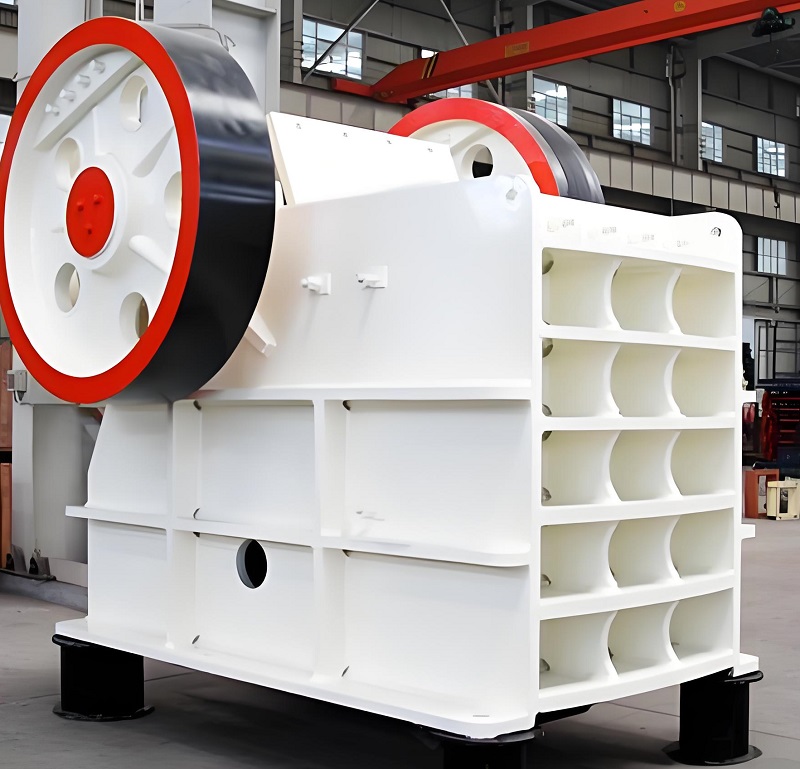
The equipment's structure and materials determine its service life. High-quality European-style jaw crushers use an integral cast steel frame, not a welded frame, offering high strength, impact resistance, and resistance to cracking, making them suitable for harsh working conditions. The moving and fixed jaw liners are made of high-manganese steel or new alloy materials, offering strong wear resistance and long replacement cycles, significantly reducing the cost of vulnerable parts. Bearings, as core components, directly affect equipment stability; therefore, heavy-duty bearings from reputable brands should be selected, offering high temperature resistance, strong load-bearing capacity, and the ability to operate continuously for extended periods. Attention should also be paid to details such as the flywheel, pulleys, lubrication system, and motor base; a reasonable structural design is essential to reduce vibration, noise, and improve operational stability.
Power configuration and energy consumption directly impact operating costs. European-style jaw crushers require a motor with appropriate power; insufficient power leads to low output and potential stalling, while excessive power increases energy consumption and investment. Reputable manufacturers optimize power ratios based on machine model, raw materials, and output to achieve high efficiency and low consumption. Attention should also be paid to the equipment's starting method; variable frequency starting and soft starting reduce current surges, protect the motor and power grid, and lower the probability of failure. In long-term operation, equipment with low energy consumption and low failure rates can save users significant electricity and maintenance costs.
Manufacturer strength and after-sales service provide long-term assurance. Some small manufacturers on the market sell low-spec versions of European-style jaw crushers at low prices, seemingly requiring less initial investment, but leading to frequent malfunctions and significant losses due to production stoppages later on. When purchasing, prioritize manufacturers with formal production qualifications, R&D capabilities, and production scale. On-site visits to their production workshops, process levels, and successful case studies are recommended. Comprehensive after-sales service includes on-site installation and commissioning, operation training, spare parts supply, fault repair, and technical upgrades, ensuring rapid response to equipment problems and preventing production disruptions. It's also crucial to understand the compatibility and pricing of spare parts to avoid difficulty in obtaining parts later or inflated prices.
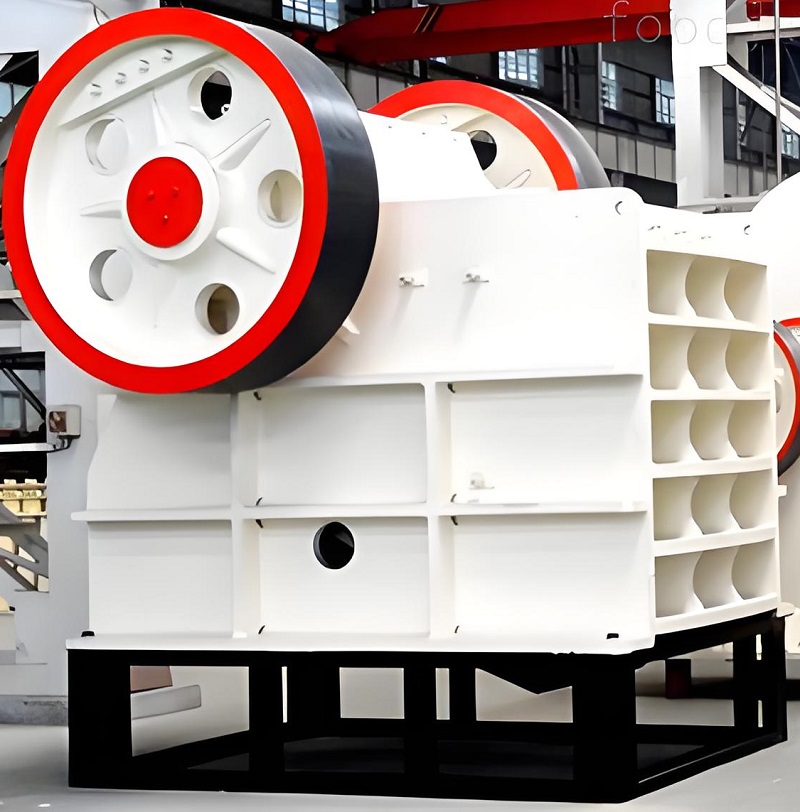
Site, transportation, and environmental requirements must also be considered. Select the appropriate model and installation method based on the size and height restrictions of the production line. For mountainous and remote areas, consider the difficulty of equipment transportation and plan ahead. In areas with strict environmental policies, consider equipping with sealing devices and dust removal equipment to reduce dust pollution and meet environmental production standards.
When purchasing European-style jaw crushers, adhere to the principles of "compatibility first, quality as the foundation, cost-effectiveness as a consideration, and after-sales guarantee." First, clearly define your core requirements such as raw materials, output, and discharge. Then, compare machine models in terms of structure, materials, power, and energy consumption. Finally, choose a reputable manufacturer with strong capabilities, a good track record, and comprehensive after-sales service. Only by selecting the right model and equipment can you ensure the efficient and stable operation of the coarse crushing process, improve the overall efficiency of the production line, and achieve long-term stable profitability.


Company: Zhengzhou ZhongCheng environmental protection equipment co., LTD

Company address: 36 xueyuan road, Zhengzhou City, Henan Province, China.

Whatsapp:+86-18738194110


Our Email

Our phone
 86-18738194110
 86-18738194110

Save Time! Get A Detailed Quotation Quickly.


 2024-11-01