Consulting
Service
Construction waste crushers are core equipment for the resource-based treatment of construction waste. Their installation and commissioning quality directly determines the equipment's operational stability, crushing efficiency, and service life. They are also crucial for ensuring the safe and efficient operation of the production line and reducing subsequent maintenance costs. Construction waste crushers are mostly heavy-duty equipment with complex operating conditions and heavy loads. Installation must strictly follow standardized procedures, and commissioning requires thorough troubleshooting to ensure accuracy, safety, and practicality. This guarantees that the equipment can stably process various types of construction waste, such as bricks, concrete blocks, and gravel, achieving resource recycling.
1. Pre-installation Preparations
Comprehensive preparation is essential before installation to avoid problems such as installation deviations and equipment malfunctions. This includes four key aspects: site, equipment, personnel, and materials, laying a solid foundation for standardized installation.
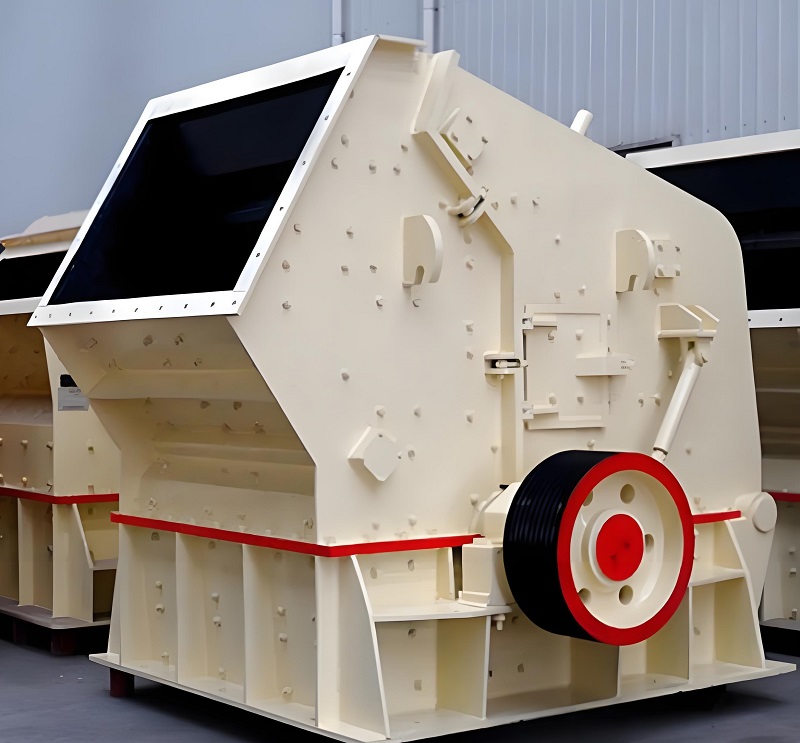
Site preparation is a prerequisite for installation. A flat, hardened site with a foundation bearing capacity ≥150kPa must be selected, avoiding soft soil and low-lying, waterlogged areas. If the foundation bearing capacity is insufficient, replacement, compaction, or reinforced concrete reinforcement is necessary to prevent settlement and tilting during equipment operation. Meanwhile, the operating space should be rationally planned, with a maintenance passage of at least 1.5 meters reserved around the equipment, and sufficient hoisting space above. The feed inlet and outlet should be matched with the layout of subsequent conveying equipment. Water and electricity lines should be planned in advance to ensure stable power supply and unobstructed drainage. Safety warning signs should be set up around the site, and flammable and explosive materials and debris should be cleared away.
Equipment and material verification must be meticulous and thorough. Check the equipment delivery list, certificate of conformity, installation drawings, instruction manual, and other documents, and count each component, including the main unit, motor, transmission parts, liners, anchor bolts, fasteners, and other accessories. Inspect the equipment for any damage such as bumps, deformation, cracks, or rust during transportation. Pay special attention to verifying the integrity of core components such as the crushing chamber, bearing housing, and rotor. If any parts are missing or have quality problems, contact the manufacturer immediately for replacement. At the same time, prepare hoisting equipment, levels, theodolites, wrenches, pry bars, and other installation tools, as well as consumables such as lubricating oil, sealing gaskets, and shims. Shims should be made of flat, wear-resistant material and prepared in advance according to specifications.
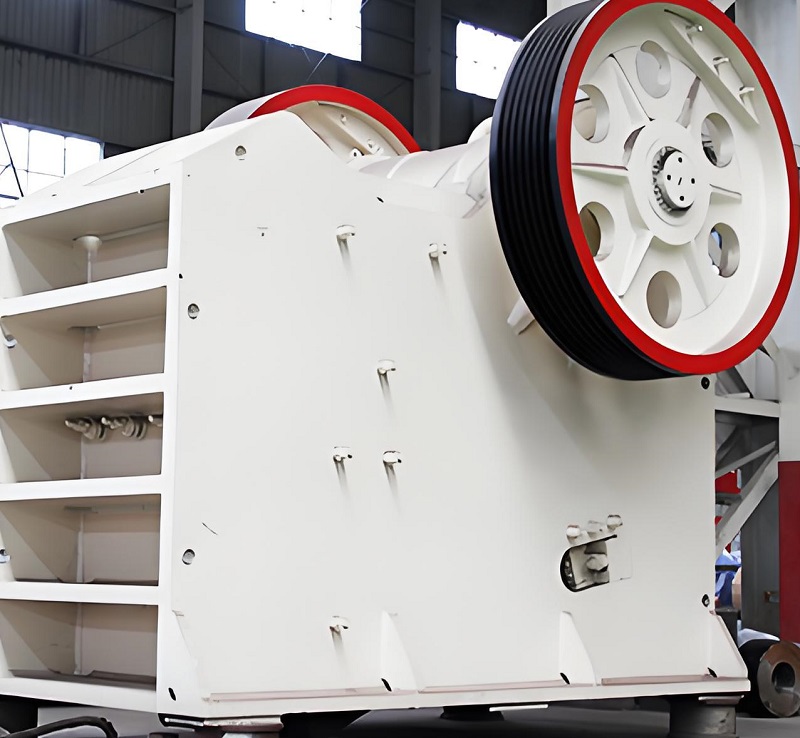
Personnel and technical preparation are equally indispensable. A professional installation team should be formed, with clearly defined responsibilities for hoisting, assembly, wiring, and commissioning. All personnel must be familiar with the equipment structure, installation process, and safety regulations; unlicensed operation is strictly prohibited. Technical briefing meetings should be organized to study installation drawings and technical parameters, clarifying core installation standards such as levelness, verticality, and clearance, mastering key safety operating points and emergency response procedures, and eliminating any violations.
2. Standardized Equipment Installation Process The installation of the construction waste crusher follows the sequence of "foundation pouring → main unit placement → precision calibration → component assembly → electrical wiring → auxiliary equipment connection," with each step verified and precisely executed to ensure installation quality meets standards.
Foundation construction is crucial for stable equipment operation. Based on the equipment foundation drawings and site geological conditions, a reinforced concrete foundation of C20 strength or higher should be poured. When pre-embedding anchor bolts, strict control of positional accuracy is required, with an error within ±2mm. The bolt embedding depth and exposed length must meet design requirements to ensure secure anchoring. During the foundation curing period, take protective measures to avoid collisions and vibrations. Equipment hoisting operations can only commence after the concrete strength reaches at least 80% of the design strength to prevent foundation cracking and insufficient load-bearing capacity, which could lead to equipment failure.
The hoisting and positioning of the main unit must be carried out smoothly. Select hoisting equipment with a rated load matching the specifications, accurately locate the hoisting points, and lift and place the equipment gently to avoid violent shaking that could damage components. Place the main unit on the concrete foundation, initially aligning it with the anchor bolts, and adjust the equipment position so that the equipment centerline coincides with the foundation centerline, and the elevation meets design requirements. Then, perform a leveling calibration, using a level to check the horizontal and vertical levelness of the main unit base, controlling the error within 0.2/1000mm. Fine-tune by adding or removing shims under the base, ensuring the shims are evenly distributed on both sides of the anchor bolts to ensure balanced force distribution. Excessive stacking or skewed placement of shims is strictly prohibited.
Component assembly and fastening must proceed according to the established process. First, install easily damaged components such as the crushing chamber liner, impact plate, hammers, and jaw plates, ensuring they fit snugly against the equipment cavity and that gaps meet technical parameters. Tighten bolts evenly to prevent loosening and detachment. Next, assemble the transmission system, connecting the motor, pulleys/couplings, and adjusting the coaxiality and tension of the transmission components. Ensure the belt tension is appropriate, eliminating the risk of misalignment or jamming. Install protective covers on transmission parts to ensure operational safety. Auxiliary equipment such as the feed hopper, discharge conveyor, and dust collector should be installed simultaneously, ensuring tight sealing at interfaces to prevent material or dust leakage. The height of the feed and discharge inlets should match the production line process to ensure smooth material transport.
Electrical system installation must be standardized and compliant. Wiring should be done by a professional electrician according to the electrical schematic diagram. Power and control lines should be neatly arranged, securely fixed, and properly insulated to prevent compression and wear. Install control boxes, emergency stop buttons, overload protection devices, and other electrical components, ensuring proper grounding and neutral connection to prevent leakage and electric shock. After wiring is completed, verify the correctness of the wiring connections, ensuring no reverse or incorrect connections are made, and guaranteeing stable operation of the electrical system with overload, short circuit, and phase loss protection functions.
3. Core Steps for Equipment Commissioning
After installation, no-load commissioning, load commissioning, and linkage commissioning must be carried out. Problems should be identified and parameters optimized item by item to ensure that all equipment performance meets standards and satisfies the requirements of construction waste crushing operations.
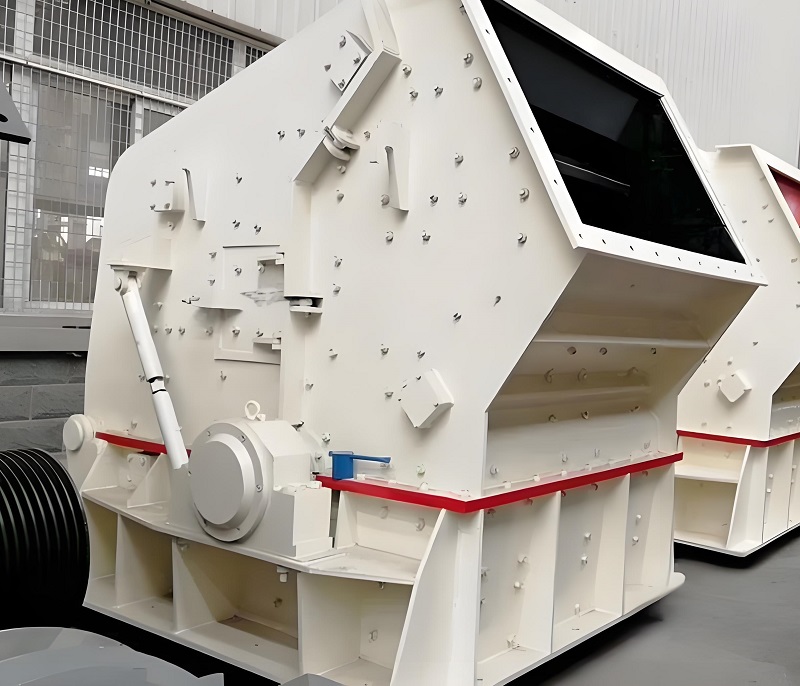
No-load commissioning is a fundamental troubleshooting step. Before commissioning, a comprehensive re-inspection of the equipment should be conducted, cleaning debris and tools from the crushing chamber and feed inlet. The tightness of bolts and the lubrication level should be checked, and sufficient grease should be added to transmission parts and bearing seats to ensure adequate lubrication. First, manually rotate the pulley/rotor to check its operational flexibility. After confirming there is no jamming, collision, or abnormal noise, perform a short-run test run, observing whether the motor rotation direction matches the equipment nameplate requirements. Reverse operation is strictly prohibited. After confirming the correct steering, start the equipment and run it continuously under no-load for at least 2 hours, monitoring its operating status throughout. Check for abnormal vibrations and noise, and monitor bearing temperature; the temperature rise should not exceed 30°C, and the maximum temperature should not exceed 70°C. Verify the operation of the transmission system, fasteners, and seals, tightening loose bolts and adjusting seal gaps promptly to eliminate potential hazards from no-load operation.
Load testing is crucial for performance verification. After successful no-load testing, gradually proceed with material testing, following the principle of "small feed → gradual increase → full load operation." Direct starting with a heavy load or overloading is strictly prohibited. Initially, input a small amount of construction waste material to observe the crushing effect and material conveying, checking if the output particle size meets design requirements and if there is no blockage or jamming in the crushing chamber. Gradually increase the feed rate until the equipment's rated capacity is reached, monitoring parameters such as motor current, equipment vibration, and bearing temperature throughout to ensure stable operating parameters within the rated range. For issues such as uneven output particle size and low crushing efficiency, fine-tune the liner gap and feed speed, optimizing crushing parameters until the crushing effect meets standards.
Integrated commissioning is the final verification before production. It involves linking the crusher with auxiliary equipment such as feeding, conveying, screening, and dust removal systems, starting the entire production line, testing the coordinated operation of each piece of equipment, checking the smoothness of material flow, and ensuring there are no issues such as blockages, leaks, or excessive dust. Simultaneously, it verifies the interoperability of the electrical control system, ensuring the emergency stop button, overload protection, and alarm devices are sensitive and effective, allowing for rapid shutdown in case of sudden malfunctions to ensure equipment and personnel safety. Integrated commissioning lasts 4-8 hours, comprehensively verifying the stability of the production line operation, recording various operating parameters, and generating a commissioning report.
4. Installation, Commissioning, Safety, and Acceptance Key Points Strict adherence to safety regulations is required throughout the installation and commissioning process. A designated warning area must be established for hoisting operations, and unauthorized personnel are strictly prohibited from entering. Protective measures must be taken for high-altitude operations, and electrical work must be performed with power off; live wiring is strictly prohibited. During equipment operation, personnel are strictly prohibited from approaching moving parts or touching components. If any abnormality is found, the machine must be stopped immediately for repair; operation with defects is strictly prohibited.
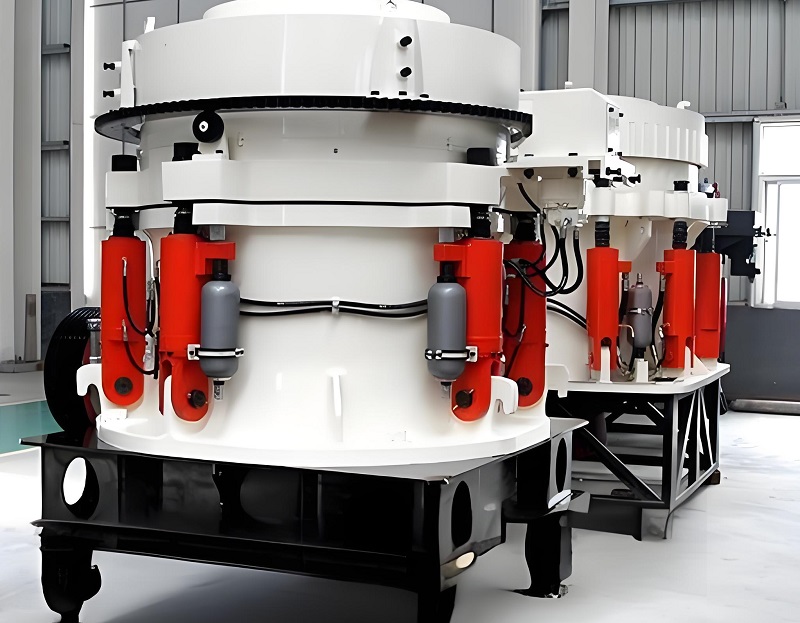
After commissioning, technical, installation, and maintenance personnel will conduct acceptance testing. They will verify the equipment's installation accuracy, operating parameters, crushing performance, and safety features against the installation drawings, technical specifications, and commissioning report. Acceptance documents will be signed once all items meet the standards. Simultaneously, operation training will be provided to maintenance personnel, explaining equipment operation procedures, daily maintenance points, and troubleshooting methods. Equipment documentation and spare parts lists will be handed over to ensure the equipment's stable operation in the future.
The installation and commissioning of construction waste crushers is a systematic task. Only by strictly controlling the preliminary preparation, installation accuracy, and commissioning verification, and adhering to standardized procedures and safety guidelines, can the equipment operate efficiently, stably, and safely, fully realizing its resource utilization efficiency in construction waste treatment, extending the equipment's service life, and contributing to green construction and environmentally friendly production.


Company: Zhengzhou ZhongCheng environmental protection equipment co., LTD

Company address: 36 xueyuan road, Zhengzhou City, Henan Province, China.

Whatsapp:+86-18738194110


Our Email

Our phone
 86-18738194110
 86-18738194110

Save Time! Get A Detailed Quotation Quickly.


 2024-11-01