Consulting
Service
With the accelerated pace of urban and rural construction and the normalization of old city renovation, construction waste has become a major component of urban solid waste. If massive amounts of demolition waste, renovation waste, and construction debris are not effectively disposed of, they will not only occupy vast amounts of land resources but also exacerbate environmental problems such as dust and water pollution, contradicting the concept of green development. The core premise of construction waste resource utilization is to crush large, irregular pieces of construction waste into reusable recycled aggregates. Construction waste crushing equipment is the core equipment at the front end of this crucial process. Compared to ordinary ore crushing equipment, it is specifically optimized for the hardness, composition, and impurity characteristics of construction waste, possessing advantages such as high crushing efficiency, wear resistance, durability, and strong adaptability. It is key to opening up the entire process of "turning waste into treasure" for construction waste and is an important support for promoting solid waste resource utilization and contributing to low-carbon infrastructure construction.
1.Mainstream Types and Characteristics of Construction Waste Crushing Equipment
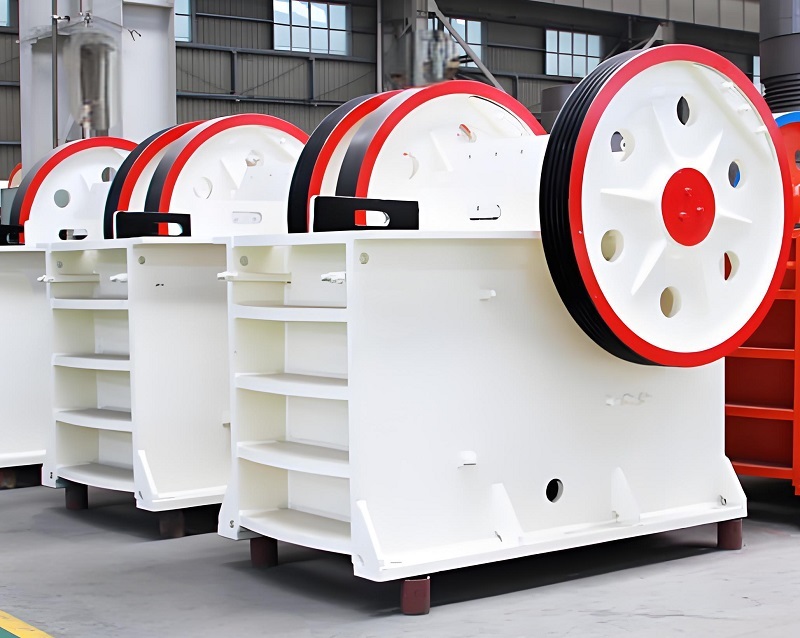
Construction waste has a complex composition, including hard materials such as concrete blocks, bricks, gravel, and mortar blocks, and some also contain light impurities, placing stringent requirements on the performance, structure, and wear resistance of crushing equipment. The market offers a wide variety of construction waste crushing equipment. Based on installation, they are broadly categorized into fixed and mobile types. Based on crushing principles, they can be further subdivided into jaw crushers, impact crushers, cone crushers, hammer crushers, and other models. Each type of equipment is suitable for different crushing stages, material specifications, and output requirements. They can operate as standalone units or be integrated with screening equipment to form a crushing and screening production line, comprehensively meeting the needs of construction waste processing.
Jaw crushers, as the core equipment for primary crushing of construction waste, have an extremely wide range of applications, primarily for the initial crushing of large materials. They employ the principle of compression crushing, featuring a robust and durable structure, simple operation, a deep crushing chamber with no dead zones, and a large feed size, easily handling large pieces of construction waste up to 1 meter in diameter. Whether it's solid concrete components, heavy bricks, or hard gravel, they can be crushed efficiently. The equipment operates stably with a low failure rate, making it suitable for the first primary crushing stage of construction waste, crushing large materials to a medium particle size, laying the foundation for subsequent medium and fine crushing processing. It is the standard primary crusher for both fixed crushing production lines and mobile crushing stations.
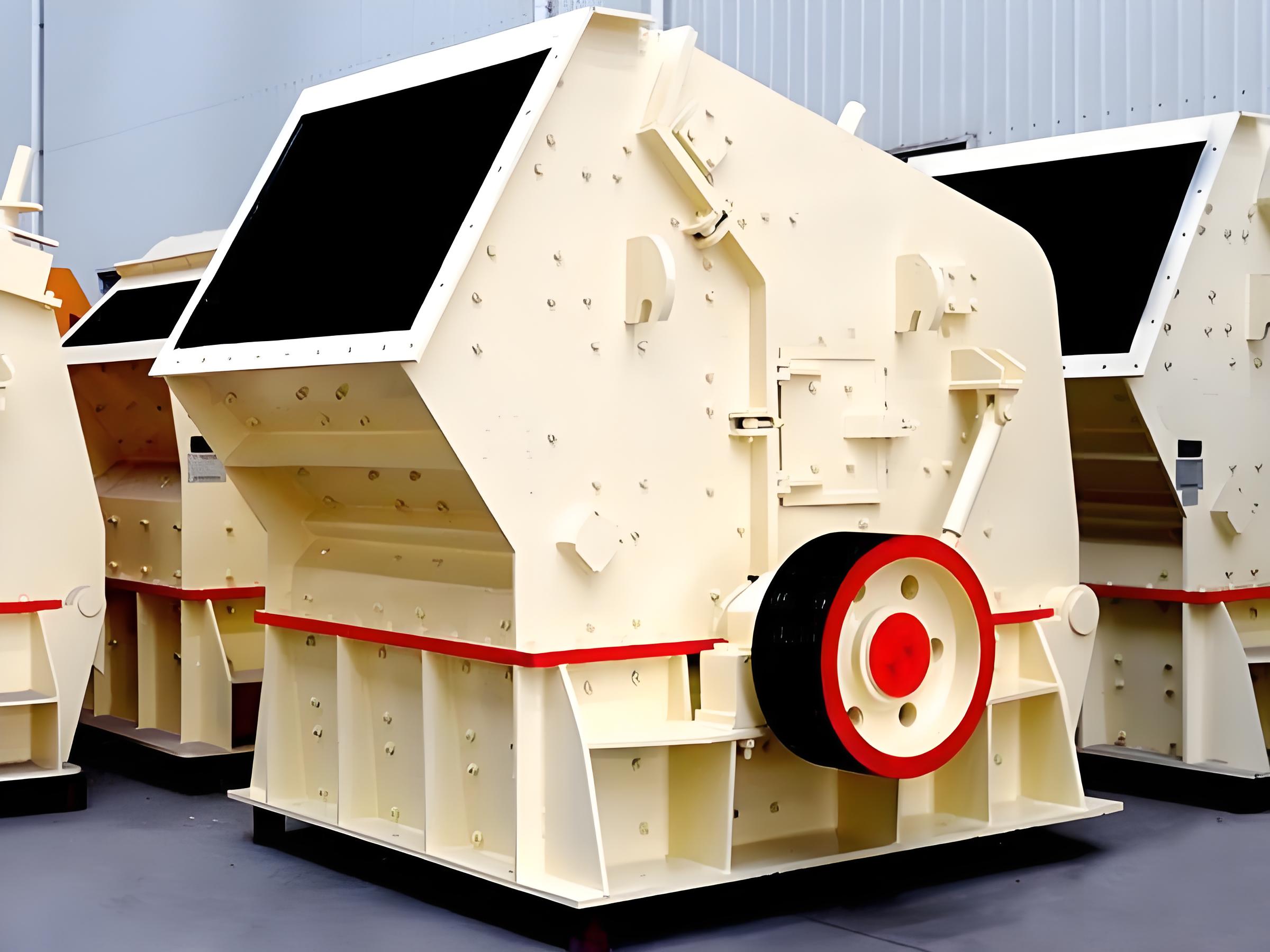
Impact crushers are primarily used for fine crushing of construction waste, focusing on the efficient crushing of brittle materials. They are suitable for the fine crushing of concrete, bricks, and other construction waste. Utilizing impact energy, they crush materials into well-formed, cubic aggregates with minimal cracks and extremely low needle-like or flaky particle content, effectively improving the quality of recycled aggregates. The equipment features adjustable discharge particle size, allowing for flexible control of the crushing particle size according to needs. It also incorporates a built-in screening structure for preliminary impurity separation. With high crushing efficiency and low energy consumption, it is suitable for mid-range construction waste recycling projects and is a key piece of equipment connecting the coarse crushing and screening stages.
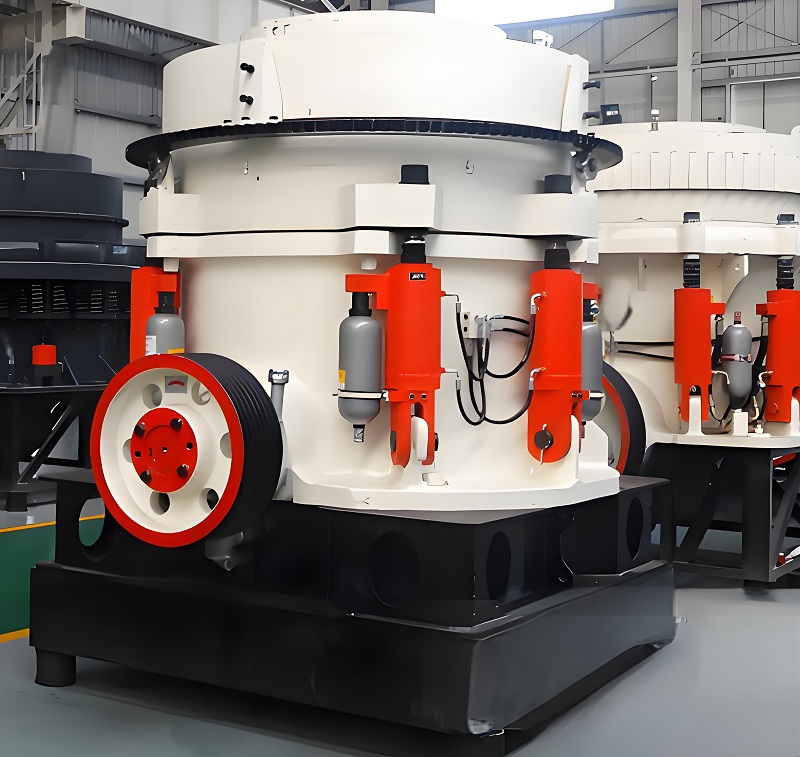
Cone crushers are primarily used for fine crushing of high-hardness materials, showing excellent results in crushing high-strength concrete blocks and hard stone in construction waste. Employing a layered crushing principle, they exhibit outstanding wear resistance. Even with long-term processing of high-hardness materials, equipment wear is relatively low. They operate smoothly and have good sealing properties, effectively reducing dust leakage and meeting environmental protection requirements. Cone crushers offer uniform particle size and high capacity, making them suitable for large-scale construction waste processing plants. For high-hardness, high-volume crushing needs, they can be combined with other equipment to form a complete production line, achieving continuous and high-efficiency operation.
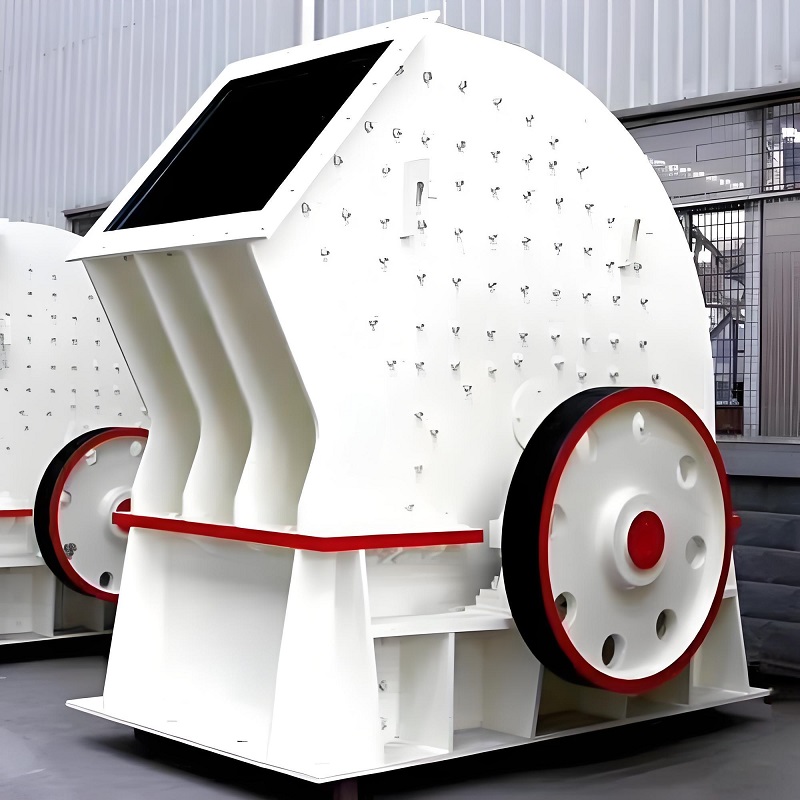
Hammer crushers are one-step crushing and shaping equipment, designed to simplify the crushing process and achieve "one-step" crushing of construction waste. They rely on the high-speed impact of hammers to crush materials, directly crushing large pieces of construction waste to the finished particle size, eliminating multiple coarse and medium crushing processes. The equipment has a compact structure, small footprint, and low investment cost, making it suitable for small to medium-sized construction waste processing projects, as well as operating scenarios with limited space and moderate output requirements. The equipment is also equipped with a screen plate to control the output particle size, making it highly practical and suitable for the rapid crushing of ordinary construction waste.
Mobile crushing stations are currently a popular model for construction waste processing, integrating crushing, feeding, and discharging functions into one unit. They are available in wheeled and tracked versions. No complex infrastructure installation is required; the mobile crushing plant can be flexibly relocated to demolition sites and urban renewal sites to carry out crushing operations on-site, eliminating the cost and intermediate transfer links of construction waste transportation and effectively avoiding dust and spillage pollution during transportation. The mobile crushing station can be equipped with jaw crushers, impact crushers, hammer crushers, and other main equipment as needed, combining flexibility, versatility, and high efficiency. It is suitable for scattered, mobile, and emergency construction waste treatment scenarios, aligning with the current trend of on-site resource utilization of construction waste.
2. The Core Role of Construction Waste Crushing Equipment
Construction waste crushing equipment is not merely a material crushing tool, but a core piece of equipment throughout the entire process of construction waste resource utilization. Its core role covers multiple dimensions, including environmental protection and emission reduction, resource regeneration, economic benefits, and industry development. It addresses the challenges of construction waste treatment at the source, achieving a unified balance of environmental, economic, and social benefits, becoming an indispensable key support for the solid waste resource utilization industry.
Its fundamental role is to achieve the reduction and disposal of construction waste, alleviating environmental governance pressure. Untreated construction waste is bulky, occupying large amounts of land for dumping and landfilling, and easily causing dust and water pollution, impacting the surrounding ecology and residents' lives. Crushing equipment can quickly break down large pieces of construction waste, significantly reducing material volume and landfill space, thus mitigating the environmental damage caused by construction waste at its source. Simultaneously, modern crushing equipment is equipped with dust removal, noise reduction, and sealing devices to effectively control dust and noise during operation, preventing secondary pollution, meeting environmental management requirements, promoting green and clean production, and solving the environmental pain points of construction waste disposal.
Promoting the resource recycling of construction waste and revitalizing idle solid waste resources is its core value. Construction waste is essentially a resource in the wrong place; after crushing, it can be transformed into recycled coarse aggregate and recycled fine aggregate, replacing natural sand and gravel in infrastructure fields such as roadbed backfilling, concrete preparation, brick production, and road paving. Crushing equipment, through targeted crushing, removes some impurities and standardizes material particle size, ensuring the basic quality of recycled aggregates. This allows previously discarded construction waste to be recycled, reducing the amount of natural sand and gravel mining, alleviating the shortage of sand and gravel resources, protecting mines and the ecological environment, and practicing the concept of low-carbon and sustainable development.
Reducing construction waste treatment costs and improving project economic benefits are its key advantages. Traditional construction waste treatment mainly relies on transportation and landfill, with high transportation and landfill costs, and the risk of environmental penalties. Crushing equipment enables on-site crushing and utilization of construction waste, saving high transportation and landfill costs. The recycled aggregate after crushing can be sold directly or used internally, turning waste into treasure and creating economic benefits. At the same time, the equipment is durable, has low operating and maintenance costs, and achieves rapid return on investment under large-scale operation. Whether it is environmental protection companies, construction units, or resource recovery plants, they can all use crushing equipment to reduce costs, increase profit margins, and achieve market-oriented and sustainable operation of construction waste treatment.
Adapting to diverse operating scenarios and contributing to the standardized development of the industry is another important value. Construction waste treatment scenarios are complex, ranging from large-scale operations at fixed processing plants to mobile operations at demolition sites. A complete range of crushing equipment is available, with fixed equipment suitable for long-term operations at large plants and mobile equipment suitable for flexible processing at scattered construction sites. Various models can meet the processing needs of different scales and scenarios. Simultaneously, the equipment can be linked with screening, impurity removal, and conveying equipment to form a complete automated production line, improving processing efficiency and intelligence levels. This promotes the transformation of construction waste treatment from extensive landfilling to refined, standardized, and resource-based methods, contributing to the high-quality development of the solid waste treatment industry.
Following the low-carbon transformation of the infrastructure industry and practicing the concept of green development is its long-term significance. The mining of natural sand and gravel causes serious ecological damage, while the promotion and use of recycled aggregates can effectively reduce the dependence of infrastructure projects on natural resources, reducing carbon emissions and ecological losses. As the core equipment for recycled aggregate production, crushing equipment provides sufficient green building material raw materials for infrastructure projects, promoting the implementation of green infrastructure and low-carbon projects. This aligns with the national dual-carbon strategy and environmental protection policy, contributing to the coordinated development of urban and rural construction and ecological protection, achieving a win-win situation for both economic and ecological benefits.
Choosing the best construction waste crushing equipment is crucial for laying a solid foundation for the resource utilization of construction waste. Construction waste crushing equipment is at the forefront of this development, not only efficiently solving the challenges of construction waste disposal and protecting the ecological environment, but also revitalizing solid waste resources, creating economic value, and driving the industry towards greener, more efficient, and standardized development. Different models of crushing equipment are suited to different working conditions and needs. When selecting equipment, it is essential to consider material characteristics, output requirements, site conditions, and budget to choose the most suitable option. In the future, with increasingly stringent environmental policies and upgraded resource utilization demands, crushing equipment will continue to be iterated and optimized, achieving superior performance, meeting environmental standards, and becoming more intelligent and efficient. This will continue to empower the solid waste resource utilization industry, helping to transform construction waste into valuable resources and writing a new chapter in green and low-carbon development.


Company: Zhengzhou ZhongCheng environmental protection equipment co., LTD

Company address: 36 xueyuan road, Zhengzhou City, Henan Province, China.

Whatsapp:+86-18738194110


Our Email

Our phone
 86-18738194110
 86-18738194110

Save Time! Get A Detailed Quotation Quickly.


 2024-11-01