Consulting
Service
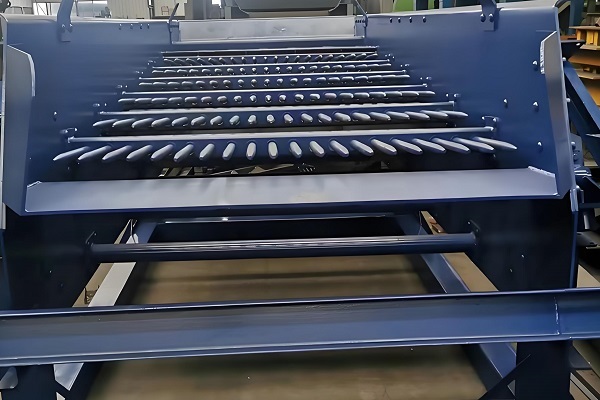
In material grading processes across industries such as mining, chemicals, food, and building materials, the square swing screen, with its low-frequency gyratory motion simulating manual sieving, boasts advantages including high screening accuracy, stable operation, and wide material compatibility, making it a core piece of equipment for efficient material grading. Installation and commissioning are crucial for maximizing its performance, directly impacting operational stability, screening efficiency, product quality, and equipment lifespan. Improper operation can easily lead to equipment malfunctions, reduced production efficiency, and even safety hazards. Therefore, strictly adhering to scientific installation and commissioning procedures and controlling key details is paramount. This article, combining the structural characteristics of the square swing screen with practical application scenarios, details its installation preparation, installation steps, commissioning procedures, and precautions, providing professional and practical guidance for on-site operation and helping companies achieve safe and efficient equipment operation.
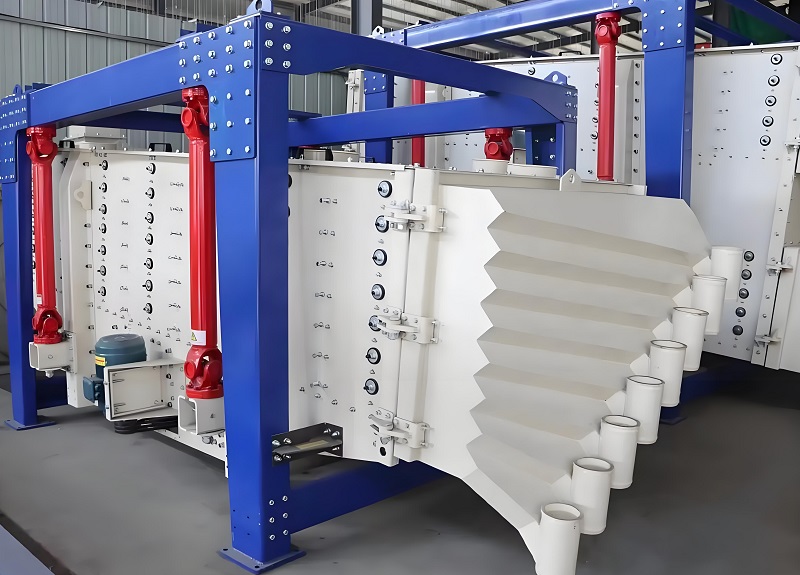
The square swing screen is a high-efficiency screening device designed to simulate the principle of manual sieving. It achieves high-precision material grading through low-frequency gyratory motion and is widely used in various industries such as mining, chemicals, food, and building materials. The standardization of its installation and commissioning directly determines the equipment's operational stability, screening efficiency, and lifespan; therefore, it is essential to strictly follow the operating procedures and control key details. This article will detail the installation preparation, installation steps, commissioning process, and precautions for a square swing screen, providing comprehensive guidance for practical operation.
1. Pre-Installation Preparation
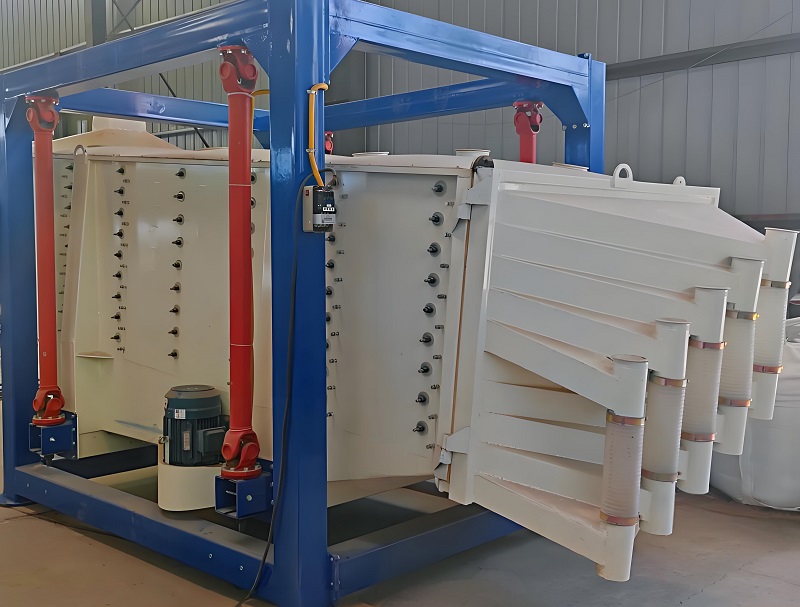
Adequate preparation before installation is fundamental to ensuring a smooth installation process. This mainly includes three core aspects: site planning, equipment inspection, and tool preparation. The site selection must meet the equipment's operational requirements. Priority should be given to flat, firm, and dry ground. The foundation concrete strength must meet design standards and be able to withstand the dynamic loads during equipment operation. A maintenance passage of at least 1 meter should be reserved for subsequent maintenance and troubleshooting. Avoid piling up debris around the equipment to prevent collisions during operation.
Equipment Inspection: Each component must be checked for completeness and integrity. Special attention should be paid to checking whether the model and specifications of core components such as the screen box, support frame, motor, vibrator, screen mesh, and directional shaft match the design requirements. Check for screen damage, abnormal noises from the motor and vibrator, and the completeness and tightness of bolts and other fasteners. Also check the movement space of the screen cleaning components such as the bouncing balls to ensure a vertical stroke of at least 5mm. 1. Complete tool preparation is required, including lifting equipment, a level (accuracy 0.1mm/m), a torque wrench, screwdrivers, shims, and sealant, to ensure a smooth installation process.
2. Standardized Installation Procedures
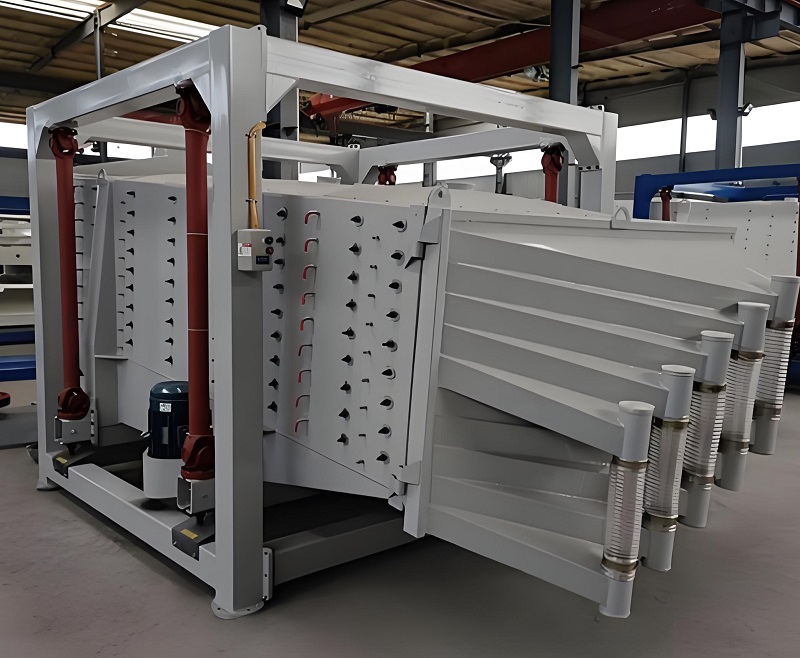
The installation of the square swing screen must follow the sequence of "foundation leveling—base installation—main body assembly—component installation—electrical connection," operating step by step with strict control to ensure that all components are securely connected and accurately positioned.
First, perform foundation leveling and base installation. Place the base on the pre-set foundation and adjust the base shims to achieve level calibration. Use a level to check the levelness of the screen body in all directions, ensuring that the overall level error does not exceed 0.5mm/m. The four corners of the base must be evenly stressed. If there are gaps in the contact surface with the foundation, they must be filled with steel plates. Rubber buffers are strictly prohibited from being used to prevent shaking and damage to components during equipment operation. Anchor bolts are used for fixing; welding is prohibited. Before tightening, loosen the lock nuts and tighten them with a torque wrench according to the standard (M12 bolt tightening force controlled at 18-22 N·m) after adjustment to ensure stability.
Next, assemble the main body and components. Use professional lifting equipment to smoothly hoist the screen box onto the base, maintaining the screen body's balance and avoiding collisions that could damage the screen mesh and box. Install the support frame and directional shaft in sequence, ensuring a tight connection without any looseness. Screen installation is a critical step. Select a screen material suitable for the material characteristics. During installation, use hook plates to evenly tension the screen. Measure the tension with a tension meter; it should reach 35-40 N/cm. Avoid excessive looseness, which will affect the screening effect, or excessive tightness, which will damage the screen. For multi-layer screening, install the screens layer by layer according to the screen aperture size, from coarse to fine, with a layer spacing of not less than 150 mm. Ensure good sealing between layers to prevent material mixing or leakage. Finally, install the dust cover, inlet door, and outlet door, checking the sealing performance to ensure no dust leakage.
Finally, connect the electrical system. Strictly follow the electrical schematic diagram for wiring, ensuring the power supply voltage matches the equipment's rated voltage, using appropriate cable specifications, ensuring secure and reliable wiring terminals, and implementing proper grounding protection measures. It is recommended to install an overload protection device. After wiring, check that the motor rotation is correct to avoid equipment malfunctions due to incorrect wiring.
3. Scientific Commissioning Process
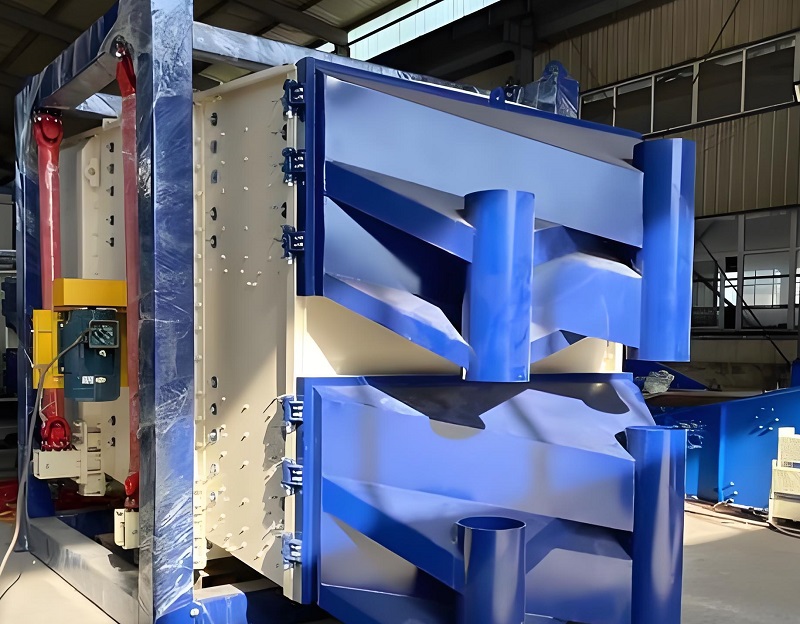
After installation, the equipment must undergo two phases: no-load commissioning and load commissioning. Parameters are gradually optimized to ensure the equipment reaches its optimal operating state. During commissioning, the equipment's operation must be monitored throughout, and any abnormalities should be identified and addressed promptly.
The no-load commissioning period should be no less than 2 hours. After starting the equipment, observe whether the screen body oscillates smoothly, and check for any abnormal noise, vibration, or loose parts. Pay particular attention to checking the operating temperature of the motor and vibrator to ensure it does not exceed the specified standards. Simultaneously check the screen tension and the operation of the screen cleaning components. The bouncing balls should move freely without jamming. If abnormal noise occurs, stop the machine and check the bolt tightness or component interference. Resolve the fault before continuing commissioning.
After successful no-load commissioning, proceed to load commissioning. Feed materials in small batches and adjust the core parameters according to the material characteristics (hardness, moisture content, particle size). The amplitude is generally controlled between 5-10mm, and the frequency is adjusted according to the material type. For hard, coarse-grained materials, use 120-160 vibrations/minute; for wet, sticky, or fine powder materials, use 80-120 vibrations/minute. The screen inclination angle is adjusted to 8°-15°; increase the inclination angle appropriately for coarse-grained materials and decrease it for wet, sticky materials to balance screening efficiency and accuracy. Simultaneously observe the material trajectory, discharge, and screening effect. If material deviation occurs, adjust the distributor's levelness; if output drops sharply, check if the screen mesh size is suitable or if there is any blockage; if screening accuracy is insufficient, optimize the amplitude, frequency, and feed rate to ensure uniform feeding and avoid material accumulation forming a "screen cake."
After the load test stabilizes, run continuously for 4-8 hours. Then, check the operating status of each component, lubrication, and sealing performance again. Only after confirming there are no abnormalities can normal production begin.
4. Installation and Commissioning Precautions
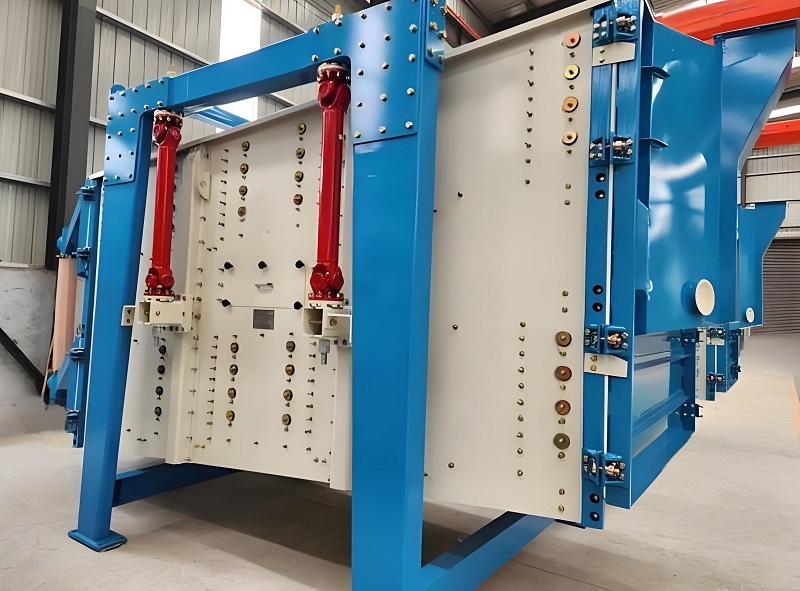
a. During installation, forcibly assembling components is strictly prohibited to avoid damaging the equipment structure; bolts should be tightened evenly, and critical parts should be repeatedly checked to prevent loosening during operation.
b. Before commissioning, check all lubrication points to ensure sufficient lubricating oil or grease to reduce component wear and extend equipment life.
c. During commissioning and operation, operators must stay away from moving parts of the equipment. Disassembling components or adjusting parameters while the equipment is running is strictly prohibited to ensure operational safety.
d. If a malfunction occurs during commissioning, immediately stop the machine and disconnect the power. Troubleshoot and resolve the fault before restarting the equipment. Operating with a malfunction is strictly prohibited.
e. After installation and commissioning, compile relevant records, including installation parameters, commissioning data, and fault handling details, to provide a basis for subsequent maintenance.
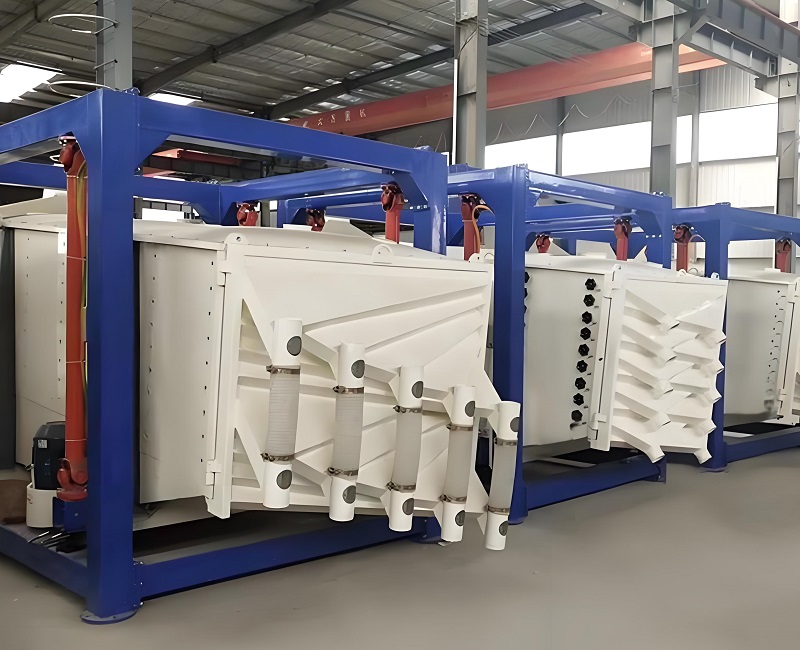
f. Daily use should follow the principle of "start the machine before feeding material, stop the material before stopping the machine." Regularly check the integrity of the screen and the tightness of fasteners, promptly clean residual material from the screen surface, and keep the screen holes unobstructed.
The installation and commissioning of a square swing screen must strictly adhere to standardized procedures and pay close attention to detail. From site preparation and component assembly to parameter optimization, every step requires meticulous operation. Only by ensuring standardized installation and scientific commissioning can the screening performance of the equipment be fully utilized, production efficiency improved, equipment lifespan extended, and a guarantee provided for the smooth operation of industrial production.
The installation and commissioning of a square swing screen is a highly systematic and standardized task, requiring adherence to the core principles of "thorough preparation, precise installation, scientific commissioning, and safe and standardized procedures." From pre-installation site planning and equipment inspection, to component assembly and precision control during installation, and then to parameter optimization and troubleshooting during the commissioning phase, each link directly affects the equipment's operating performance and lifespan. In practice, operators must strictly follow the procedures described in this article, flexibly adjusting according to material characteristics and production needs, while also emphasizing post-installation and commissioning records and daily maintenance, promptly addressing any potential problems. Only by meticulously handling every detail of installation and commissioning can the screening efficiency of the square swing screen be fully released, equipment failure rate reduced, production efficiency and product quality improved, providing a reliable guarantee for large-scale and standardized production in enterprises, and promoting the efficient and orderly operation of the production process.


Company: Zhengzhou ZhongCheng environmental protection equipment co., LTD

Company address: 36 xueyuan road, Zhengzhou City, Henan Province, China.

Whatsapp:+86-18738194110


Our Email

Our phone
 86-18738194110
 86-18738194110

Save Time! Get A Detailed Quotation Quickly.


 2024-11-01