Consulting
Service
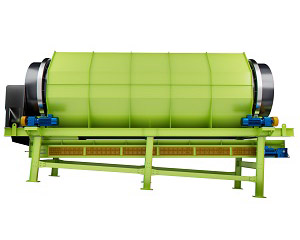
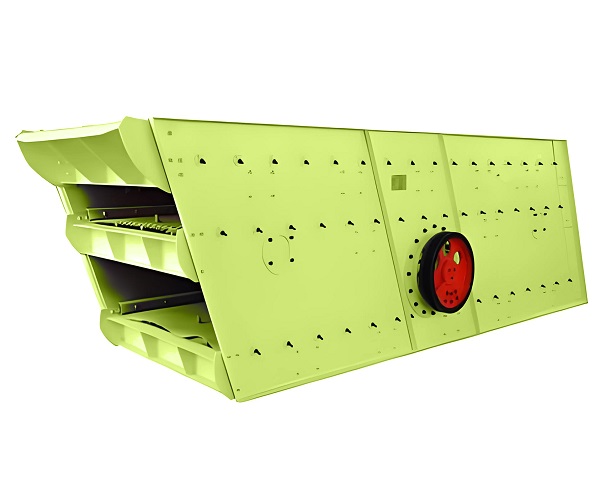
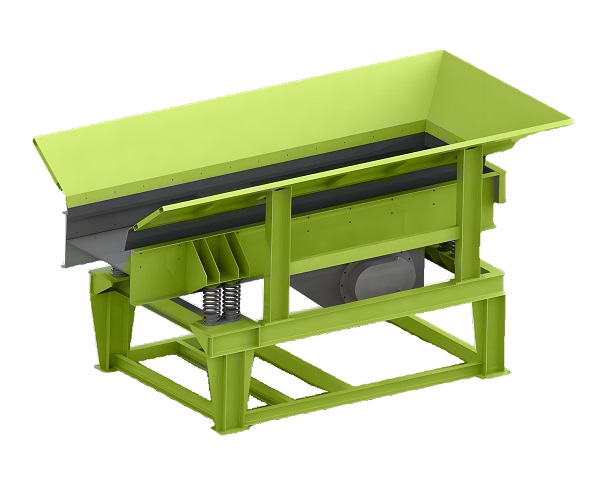
With the continuous advancement of urban and rural infrastructure construction and urban renewal demolition projects, the output of construction waste has been increasing year by year. Disorderly dumping and simple landfilling not only occupy land resources but also cause environmental problems such as soil pollution and dust pollution. Resource utilization of construction waste has become a crucial aspect of environmental infrastructure construction. Construction waste screening equipment, as a core piece of equipment in solid waste treatment production lines, undertakes the critical tasks of material grading, impurity sorting, and aggregate purification, directly determining the quality and recycling efficiency of the recycled products. Compared to ordinary sand and gravel screening equipment, construction waste screening equipment has been specifically optimized for the complex composition, high impurity content, and uneven material hardness of demolition waste. It combines practicality, durability, and adaptability, making it a key carrier for turning construction waste into valuable resources and providing robust equipment support for the development of green and low-carbon infrastructure.
Construction waste screening equipment is a specialized device developed specifically for construction waste processing scenarios. Unlike conventional industrial screening equipment, its design, material selection, and structure are tailored to the unique properties of construction waste. It can handle complex material conditions while ensuring screening efficiency and finished product quality. Its core features cover multiple dimensions including performance, structure, operation and maintenance, and environmental protection, comprehensively adapting to various needs of construction waste resource recovery, making it an indispensable key piece of equipment in the industry.
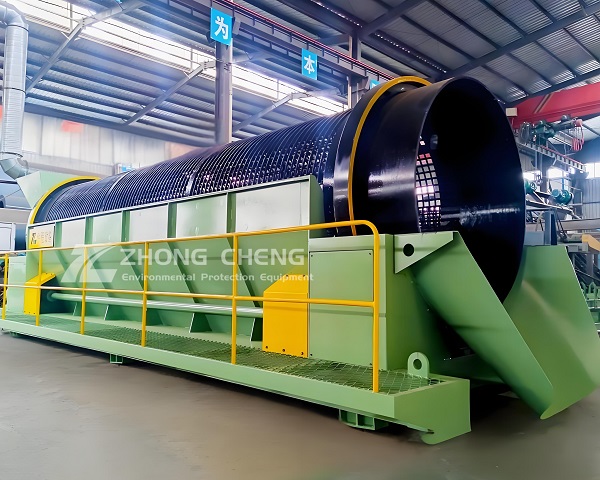
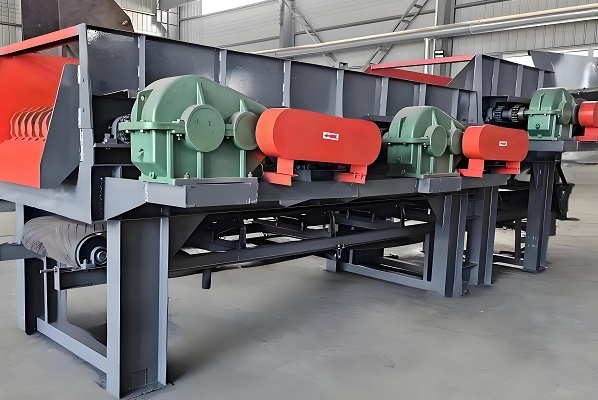
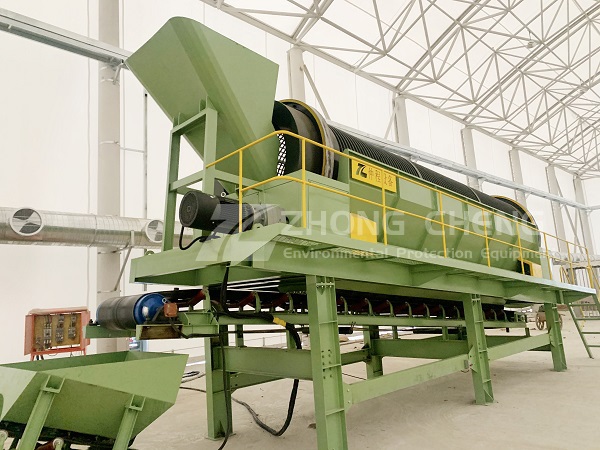
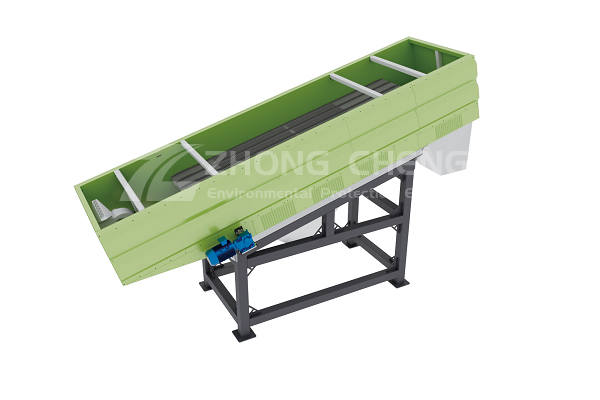
1. Highly adaptable to various working conditions, capable of handling complex construction waste compositions. Construction waste is not a single material but a complex mixture of various substances such as concrete blocks, bricks, sand, gravel, plastics, cloth strips, wood chips, and metals. Ordinary screening equipment is prone to problems such as clogging, material jamming, and uneven screening. Construction waste screening equipment, however, features a specifically optimized screening structure, combined with multi-stage screening and flexible screening designs. It can process both large pieces of construction waste and finely grade and crush aggregates. Whether it's raw waste from demolition sites or crushed recycled aggregates, it can efficiently screen them. Some equipment is also equipped with a debris removal device, which can simultaneously separate light particles and metallic impurities, eliminating the need for subsequent secondary sorting processes. It is adaptable to the entire process of construction waste treatment and can maintain stable operation even in harsh and complex working environments, unaffected by excessive influences from material moisture, viscosity, or impurity content, significantly reducing operational limitations.
2. The equipment boasts outstanding durability, low failure rate, and long service life. Construction waste contains high-hardness materials such as concrete blocks and gravel, which are extremely abrasive to equipment. Ordinary screening equipment is prone to screen breakage, frame deformation, and component wear after long-term operation, resulting in high maintenance costs. Construction waste screening equipment uses thickened wear-resistant plates and high-strength steel to construct the main body, with reinforced key stress points. The screens are made of high-quality materials such as wear-resistant manganese steel and polyurethane, offering excellent impact and wear resistance. Even with prolonged contact with high-hardness materials, it reduces wear and extends service life. Meanwhile, the equipment adopts a mature and stable transmission structure and power system, optimizing internal operation design to reduce component friction loss and lower the failure rate from the source. It eliminates the need for frequent downtime for maintenance, ensuring continuous production line operation. This makes it particularly suitable for the long-term, high-intensity operational needs of construction waste processing plants, meeting the practical requirements of durable and worry-free equipment.
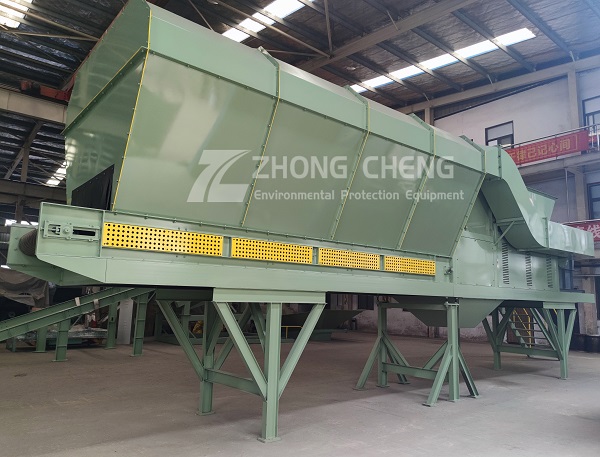
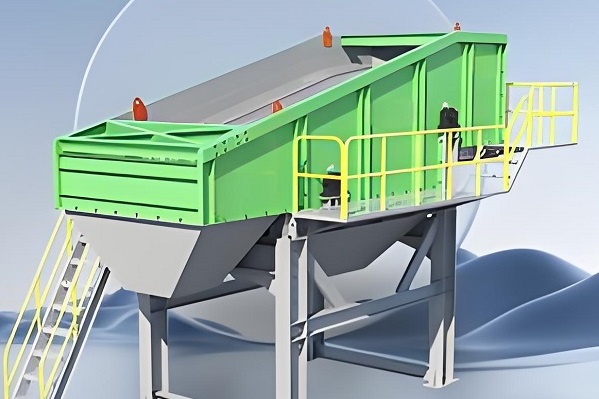
3. High screening efficiency and grading accuracy ensure the quality of recycled aggregates. The core of construction waste resource utilization is producing qualified recycled sand and gravel aggregates for use in roadbed backfilling, concrete preparation, brick making, and other scenarios. This places stringent requirements on screening accuracy. The construction waste screening equipment adopts a multi-layer screen grading design, allowing flexible adjustment of the screen aperture according to needs, achieving precise grading of coarse, medium, and fine aggregates. Its screening efficiency far exceeds that of ordinary screening equipment, with a considerable processing capacity per unit time, making it suitable for high-volume construction waste processing production lines. During operation, the equipment ensures uniform material screening without mixing or missed screening. It effectively removes substandard aggregates and impurities, improving the purity and quality of recycled aggregates. This ensures the recycled aggregates meet infrastructure construction standards, achieving high-value utilization of construction waste, avoiding resource waste, and enhancing the overall economic benefits of the project.
4. The equipment features a rational structural design, convenient operation, and low maintenance costs. Construction waste screening equipment often adopts a modular and integrated design with a compact and regular structure. This facilitates site installation and layout, and allows for flexible combination of mobile or fixed models according to production line needs. Mobile models are equipped with a self-propelled walking device, enabling direct access to demolition sites for on-site screening and utilization, reducing construction waste transportation costs. The equipment has a low operating threshold, equipped with a simple control system that can be operated without professional technicians. Daily maintenance is simple, and replacement of vulnerable parts is convenient and inexpensive. Compared to high-end imported equipment, domestically produced construction waste screening equipment (such as products from manufacturers like Zhongcheng Environmental Protection) combines superior performance with affordable prices, offering a significant cost-performance advantage. Maintenance and consumables are readily available and costs are controllable, making it particularly suitable for small and medium-sized construction waste treatment projects, reducing initial investment and ongoing operating costs.
5. Environmentally friendly, meeting green production requirements. Traditional construction waste treatment operations generate significant dust and noise, easily causing secondary pollution. Construction waste screening equipment adheres to environmental production standards, featuring optimized environmental design. Some models are equipped with sealed covers and dust suppression spray devices, effectively suppressing dust diffusion during screening and reducing dust pollution. The equipment employs a silent power system and vibration reduction design to minimize operating noise and avoid disturbing residents. Simultaneously, the screening process produces no wastewater or exhaust gas emissions, meeting environmental control requirements and helping construction waste treatment projects achieve green and clean production. It is suitable for urban areas and surrounding residential areas with high environmental requirements, balancing production and environmental benefits.
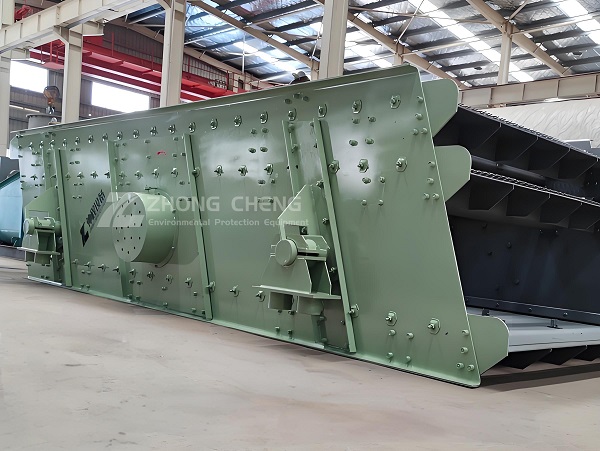
6. High degree of customization, meeting diverse project needs. Construction waste treatment projects of varying scales and scenarios have different requirements for equipment processing capacity, screening accuracy, and machine configuration. Construction waste screening equipment supports personalized customization. Manufacturers can tailor single machines or complete screening production lines according to project budgets, site size, material characteristics, and output requirements, flexibly adjusting parameters such as the number of screen layers, aperture size, and power configuration. Whether it's small mobile screening equipment to meet the needs of short-term construction sites and scattered demolition operations, or large fixed screening stations adapted to large-scale construction waste treatment plants, they can accurately match project requirements, achieving a high degree of equipment-project compatibility and improving equipment utilization and processing efficiency.
PS: Choosing the right construction waste screening equipment empowers the efficient development of solid waste resource utilization. With its strong adaptability, high durability, high efficiency, low maintenance, and environmental compliance, construction waste screening equipment has become core equipment for the resource utilization of construction waste. It not only solves the industry pain points of difficult construction waste treatment and high pollution, but also realizes the recycling of solid waste resources, aligning with the industry trend of green, low-carbon, and sustainable development. For relevant enterprises, selecting the right screening equipment requires attention to equipment performance, quality, and cost-effectiveness, as well as consideration of project scale and operational requirements. The goal is to leverage high-quality equipment to improve processing efficiency and reduce operating costs. In the future, as the demand for construction waste treatment continues to upgrade, screening equipment will evolve towards intelligence, efficiency, and green practices, continuously empowering the development of the solid waste resource utilization industry and ecological environmental protection, and helping the infrastructure industry achieve green transformation.


Company: Zhengzhou ZhongCheng environmental protection equipment co., LTD

Company address: 36 xueyuan road, Zhengzhou City, Henan Province, China.

Whatsapp:+86-18738194110


Our Email

Our phone
 86-18738194110
 86-18738194110

Save Time! Get A Detailed Quotation Quickly.


 2024-11-01