Consulting
Service
In the field of industrial screening, the efficient screening of sticky, viscous, and easily entangled materials has always been a core challenge restricting the improvement of production line quality. Traditional screening equipment generally suffers from frequent material blockage, low efficiency, and cumbersome maintenance, making it difficult to adapt to the needs of modern continuous production. With the iterative upgrade of screening technology, the new generation of flip flow screens, with its groundbreaking structural design and technological innovation, has completely broken through the performance limitations of traditional equipment, becoming the core screening equipment in industries such as mining, coal, solid waste, and sand and gravel. A deep analysis of its latest technical features can not only grasp the development trend of screening technology in the industry but also provide professional reference for equipment selection and practical operation and maintenance, helping the industry solve screening pain points.
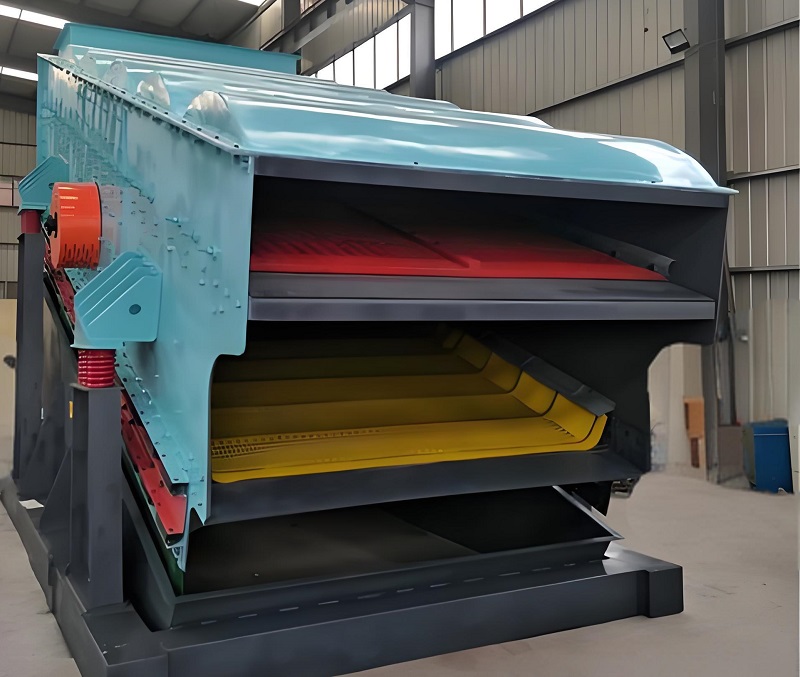
In industries such as mining, solid waste resource utilization, coal sorting, and sand and gravel aggregate processing, the screening of sticky, viscous, easily entangled, and easily blockaged materials has always been a pain point. Traditional linear screens and circular vibrating screens are prone to problems such as screen hole blockage, low screening efficiency, and frequent shutdowns for screen cleaning. flip flow screens, with their continuously iterating core technologies, have become the core equipment for solving the screening problem of difficult-to-screen materials. The new generation of flip flow screens integrates multiple innovative technologies such as optimized mechanical structure, application of new materials, intelligent control, and energy saving, breaking through the performance bottlenecks of traditional screening equipment. It boasts advantages such as high screening efficiency, strong anti-clogging and self-cleaning capabilities, long service life, and wide adaptability to various scenarios, making it a preferred equipment for modern screening operations. The following section analyzes its core latest technological features in detail.
1. Core Screening Mechanism Innovation: Dynamic Tension-Relaxation Motion, Completely Overcoming the Problem of Material Blockage
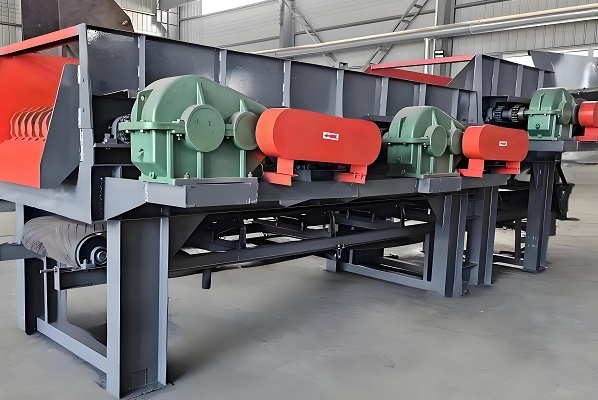
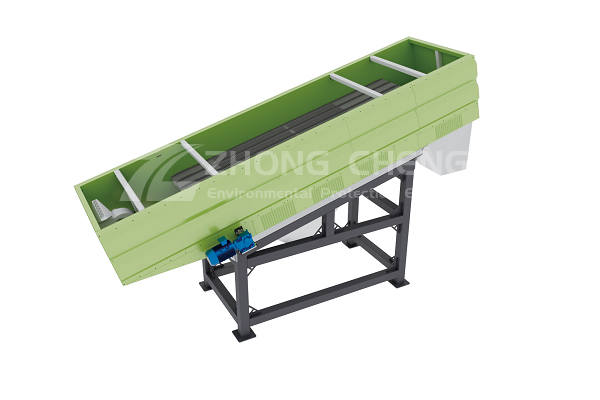
The new generation of flip flow screens abandons the traditional static vibration mode of the screen surface, adopting a core mechanism of dual-mass composite vibration + periodic tension-relaxation of the elastic screen surface to achieve high-frequency alternating motion of the screen surface "tension-relaxation." This is its core technological breakthrough that distinguishes it from ordinary vibrating screens. During operation, the main screen frame and the floating screen frame vibrate differently. The main vibrating screen frame uses circular vibration, while the floating screen frame vibrates elliptically parallel to the screen surface. Together, they drive the elastic screen surface to undergo high-frequency reciprocating deformation, achieving a vibration intensity of 30-50g, far exceeding the basic vibration intensity of 3-4g for the screen box, thus generating a high-intensity dynamic screening force.
Based on this mechanism, the screen surface not only drives the material to perform a throwing and jumping motion, achieving rapid stratification and screening, but also, through the dynamic expansion and contraction deformation of the screen holes, creates a "squeeze-release" self-cleaning effect on the material adhering to the screen holes, completely eliminating the problem of clogging by wet, sticky, fine-particle, and fibrous materials. Compared to traditional equipment that requires periodic shutdowns for screen cleaning, the new generation of flip flow screens can achieve continuous, uninterrupted operation, maintaining a stable screening efficiency of over 85%. Even for sticky, wet materials with a moisture content of 20%-30% and solid waste containing plastic fabrics, the screening efficiency remains high, significantly improving operational continuity.
2. Screen Technology Upgrade: New Materials + Modular Design, Balancing Durability and Efficiency
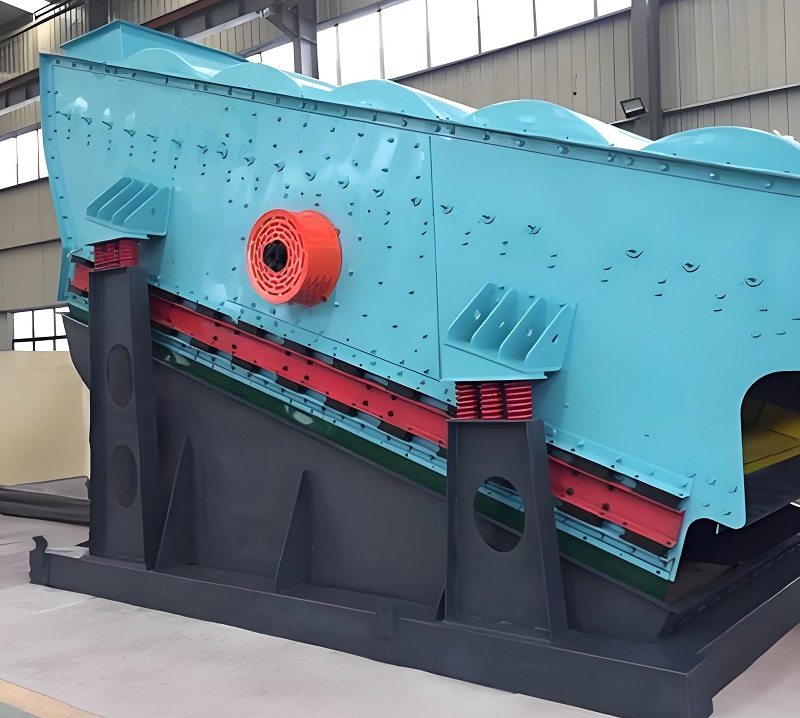
As the core component of the flip flow screen, the latest technological iteration focuses on dual optimization of materials and structure, comprehensively improving service life and screening accuracy. The main body of the screen is made of high-elasticity, wear-resistant polyurethane composite material, reinforced with a stainless steel wire skeleton for some heavy-duty applications. It boasts high elasticity, high wear resistance, and high corrosion resistance, with wear resistance 3-5 times that of ordinary rubber screens. Suitable for the long-term erosion of hard materials such as sand, coal gangue, and construction waste, it effectively reduces the frequency of screen replacement.
Simultaneously, it adopts a modular quick-assembly screen structure, eliminating the drawbacks of traditional integral screen disassembly. Individual screen pieces can be independently disassembled and replaced without disassembling the entire machine, significantly shortening maintenance time and meeting the rapid maintenance needs of production lines. The screen opening rate is 15%-20% higher than traditional products, and the screen holes adopt an anti-adhesion irregular shape design, which, combined with the screen surface tension movement, further reduces material adhesion. Modular screens with different apertures and materials can be flexibly replaced to meet different screening needs, enabling rapid switching between coarse screening, fine screening, and grading screening, improving equipment versatility. Some high-end models adopt a U-shaped screen surface structure, which maximizes the screening area and effectively protects the equipment side plates, reducing material impact wear.
3. Intelligent Variable Frequency Control: Precisely Adapts to Working Conditions, Achieving Flexible Operation
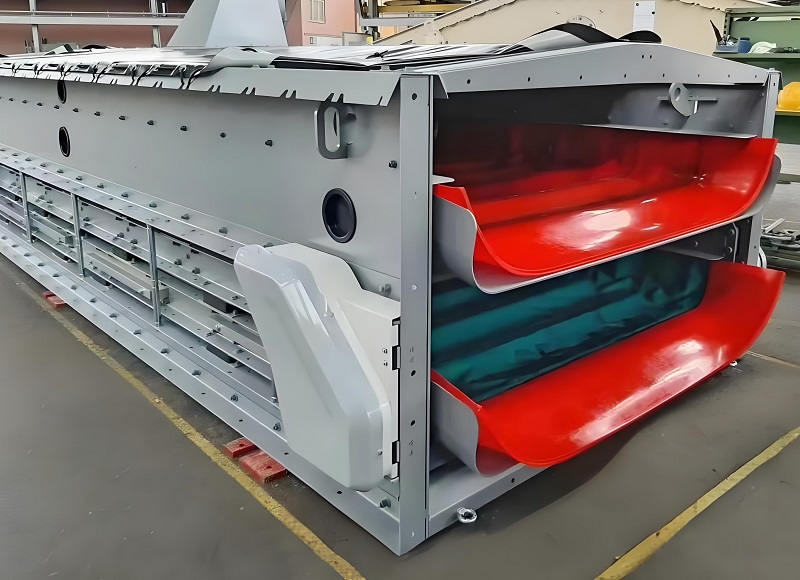
The new generation of flip flow screens is fully equipped with intelligent variable frequency drive + digital control system, breaking the limitations of traditional equipment with fixed parameters and poor adaptability, achieving refined and flexible adjustment of screening parameters. The equipment is equipped with a variable frequency control cabinet and a touch-screen operation interface, which can adjust core indicators such as vibration frequency, amplitude, and screen surface inclination angle in real time according to working condition parameters such as material type, moisture content, particle size, and throughput, forming the optimal combination of screening parameters.
For lightweight, fine materials, a high-frequency, low-amplitude vibration mode is used to enhance material stratification and improve the screening rate of fine particles. For heavy, large, or sticky materials, a low-frequency, high-amplitude vibration mode is switched to enhance the throwing force of the screen surface, break up material clumps, and ensure smooth screening. The system has built-in operating condition memory and fault self-diagnosis functions, which can store multiple sets of commonly used parameters and switch between them with one click to adapt to different production line needs. Simultaneously, it monitors data such as motor temperature, bearing vibration, and operating current in real time. In case of overload, over-temperature, abnormal noise, or other abnormalities, it immediately alarms and shuts down the machine for protection, preventing the equipment from operating with defects and improving operational safety. Some models can be connected to the Industrial Internet to achieve remote monitoring, parameter adjustment, and maintenance early warning, meeting the needs of intelligent production line construction.
4. Structural and Energy-Saving Optimization: Low Consumption and Stable Operation, Reducing Total Lifetime Costs
In terms of structural design, the new generation of vibrating screens adopts a lightweight, high-strength frame + high-efficiency vibration damping system. The frame is welded from thickened steel plates and reinforced with stiffeners, ensuring sufficient overall rigidity and preventing deformation or cracking during long-term high-load operation. The vibration damping components utilize a custom-designed composite vibration-damping spring + damping pad combination, resulting in higher installation precision. This effectively buffers high-intensity vibrations of the screen surface, reducing impact on the foundation and surrounding equipment, and also lowers operating noise, keeping the noise level below 75 decibels, thus improving the working environment.
Energy saving and consumption reduction is another major technological highlight. The equipment uses a high-efficiency energy-saving motor and variable frequency drive linkage, reducing operating energy consumption by 20%-30% compared to traditional vibrating screens of the same specifications. Furthermore, the starting current is smooth, eliminating grid impact and aligning with the concept of green and low-carbon production. Simultaneously, the transmission structure is optimized to reduce mechanical friction loss. High-precision, heavy-duty bearings are selected and lubricated with long-lasting grease, significantly extending maintenance cycles. The entire machine has no complex, easily damaged parts; daily maintenance only requires checking fasteners and screen wear, reducing maintenance costs by over 40% compared to traditional equipment, achieving a triple benefit of low energy consumption, low maintenance, and high stability.
5. Scenario-Specific Adaptation Upgrades: Diverse Structural Designs Covering All Types of Screening
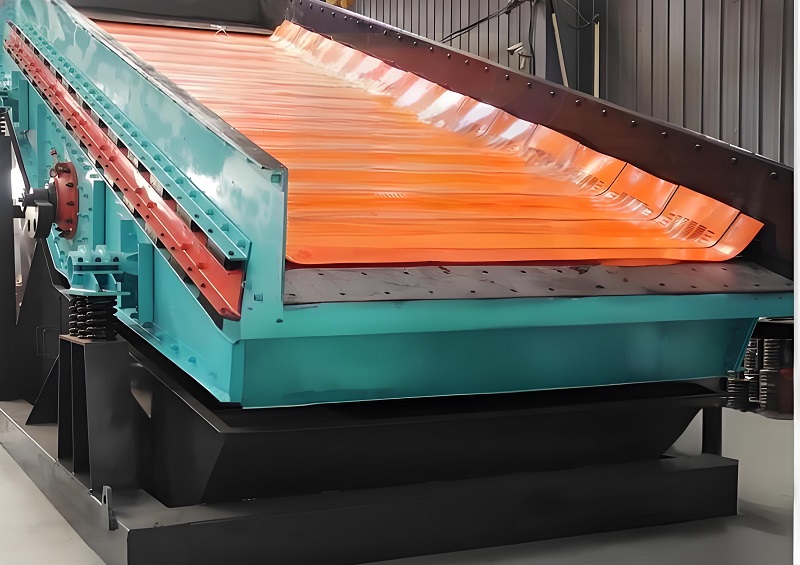
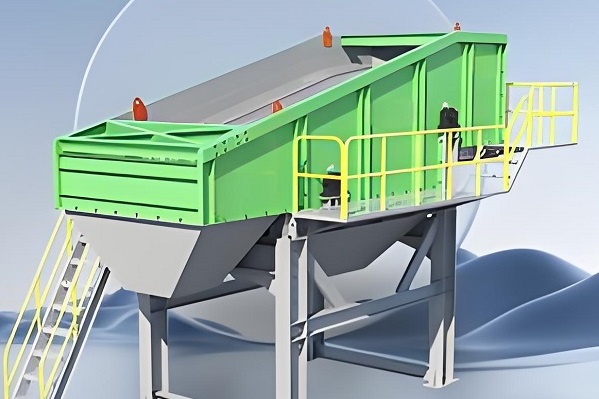
The new generation of flip flow screens offers diverse structural models to meet the differentiated needs of various industries, including single-layer, double-layer, multi-layer, and banana-shaped variable-angle screens, achieving full-scenario and full-type material screening coverage. Double-layer/multi-layer models can complete multi-level material grading in one pass, simplifying production line processes and reducing equipment investment. The banana-shaped variable-angle screen design features a large inclination angle at the feed end for faster material dispersion and a small inclination angle at the discharge end for extended material residence time, balancing high throughput and high screening accuracy, making it suitable for large-scale continuous production lines.
Whether it's wet coal and coal slime screening in the coal industry, ore and tailings grading in the mining industry, sorting of municipal solid waste, construction waste, and aged waste in the solid waste industry, or screening of sticky and wet aggregates in the sand and gravel industry, the new generation of flip flow screens can be stably adapted. For complex materials containing hard impurities and entangled fibers, the screen surface has strong impact resistance and anti-entanglement capabilities, requiring no additional pretreatment for direct and efficient screening. For fine screening needs, it can be equipped with a precision material control device to ensure that the material is evenly spread on the screen surface, eliminating material deviation and accumulation problems, further improving screening accuracy and output quality, truly achieving "one machine for multiple uses" and maximizing the equipment's utilization value.
The new generation of flip flow screens uses dynamic flip flow screening mechanism as its core, integrating new materials, intelligent, energy-saving, and modular technologies to comprehensively solve the industry pain points of traditional screening equipment, possessing three major advantages: performance, cost, and application scenarios. As industrial production continues to demand higher screening efficiency and environmental protection standards, the technology of flip flow screens is constantly evolving. In the future, they will be further upgraded to be more intelligent, energy-efficient, and durable, continuously providing efficient and reliable solutions for screening difficult-to-screen materials across various industries, thus contributing to industrial quality improvement, efficiency enhancement, and green development.
Mastering the latest technological features of flip flow screens is key to achieving scientific equipment selection and efficient operation and maintenance. In practical applications, it is necessary to combine the characteristics of the materials, production capacity requirements, and operating environment to match the flip flow screen with the corresponding technical specifications. At the same time, leveraging its intelligent control and modular design advantages, operating parameters can be optimized and maintenance processes simplified. In the future, with continued technological advancements, flip flow screens will further adapt to more stringent screening scenarios, driving the transformation of industrial screening towards higher efficiency, lower carbon emissions, and greater intelligence, laying a solid foundation for green production and capacity upgrades in various industries.


Company: Zhengzhou ZhongCheng environmental protection equipment co., LTD

Company address: 36 xueyuan road, Zhengzhou City, Henan Province, China.

Whatsapp:+86-18738194110


Our Email

Our phone
 86-18738194110
 86-18738194110

Save Time! Get A Detailed Quotation Quickly.


 2024-11-01